What You’ll Learn in This Article
- The best things to do in Mexico for every type of traveler
- Top Mexico City attractions you cannot miss
- The most beautiful places to visit in Mexico beyond the capital
- Adventure, culture, and food experiences across the country
- Practical tips to plan your trip with confidence
- Hidden mexico vacation spots most tourists skip
The Short Answer First
Mexico is one of the world’s most diverse travel destinations. It offers ancient ruins, colonial cities, jungle cenotes, volcanic peaks, and 9,330 kilometers of coastline, all in one country. Whether you are a first-time visitor or a returning traveler, the things to do in Mexico are genuinely endless.
Introduction
Mexico greets every visitor with color, warmth, and extraordinary depth. The moment you land, whether in a buzzing capital or a quiet coastal town, you feel the country’s energy immediately.
Things to do in Mexico range from exploring 3,000-year-old pyramids to swimming in underground rivers to eating the world’s most complex cuisine. No two regions feel the same. The north is dry and rugged. The southeast is tropical and lush. The center is layered with history and art.
Mexico also holds 35 UNESCO World Heritage Sites, making it one of the most culturally significant destinations on the planet. The country welcomes over 40 million international tourists each year, and for good reason.
This guide covers everything. You will find the top mexico tourist attractions, the best things to do in Mexico City, underrated places to visit in Mexico, and practical advice for first-time travelers.
Why Mexico Belongs on Your Travel List
Mexico is not just a beach destination. It is a complete travel experience packed into one country.
Here is what makes Mexico exceptional:
- Culture: 68 indigenous languages are still spoken today
- Food: Mexican cuisine holds UNESCO Intangible Cultural Heritage status
- Nature: Mexico is one of the 17 megadiverse countries in the world
- History: Home to the Aztec, Maya, Mixtec, and Zapotec civilizations
- Value: Your money stretches significantly further compared to Europe or the US
Tip: The best time to visit Mexico is between November and April. This is the dry season. Skies are clear, temperatures are pleasant, and major festivals fill the calendar.
Best Things to Do in Mexico City
Mexico City, known locally as CDMX, is one of the largest and most dynamic cities on Earth. It sits at 2,240 meters above sea level in a high-altitude valley. The city blends ancient Aztec heritage with cutting-edge art, food, and architecture.
If you only visit one place in Mexico, make it the capital.
Explore the Historic Centro Histórico
The heart of Mexico City is its UNESCO-listed historic center. Start at the Zócalo, one of the largest public squares in the world. The square is flanked by the Metropolitan Cathedral, built in 1573, and the Palacio Nacional.
Inside the Palacio Nacional, you will find Diego Rivera’s legendary murals. These massive paintings tell the full story of Mexican history from the Aztec era to the 20th century. Entrance is free.
Walk two blocks and you reach the ruins of the Templo Mayor, the main temple of the ancient Aztec capital, Tenochtitlán. It was buried under the city for centuries and rediscovered in 1978.
Visit the Top Mexico City Attractions
These are the Mexico City attractions that deserve a full day each:
- Chapultepec Castle: A hilltop palace with panoramic city views and Mexico’s National History Museum inside
- Museo Nacional de Antropología: One of the finest archaeological museums in the world. The Aztec Sun Stone alone is worth the visit.
- Frida Kahlo Museum (La Casa Azul): The cobalt-blue home where Frida Kahlo was born, lived, and died. Now a deeply personal museum in the Coyoacán neighborhood.
- Xochimilco: A network of ancient canals where you hire a colorful trajinera boat, eat fresh food, and float past floating gardens that date back to the Aztec period
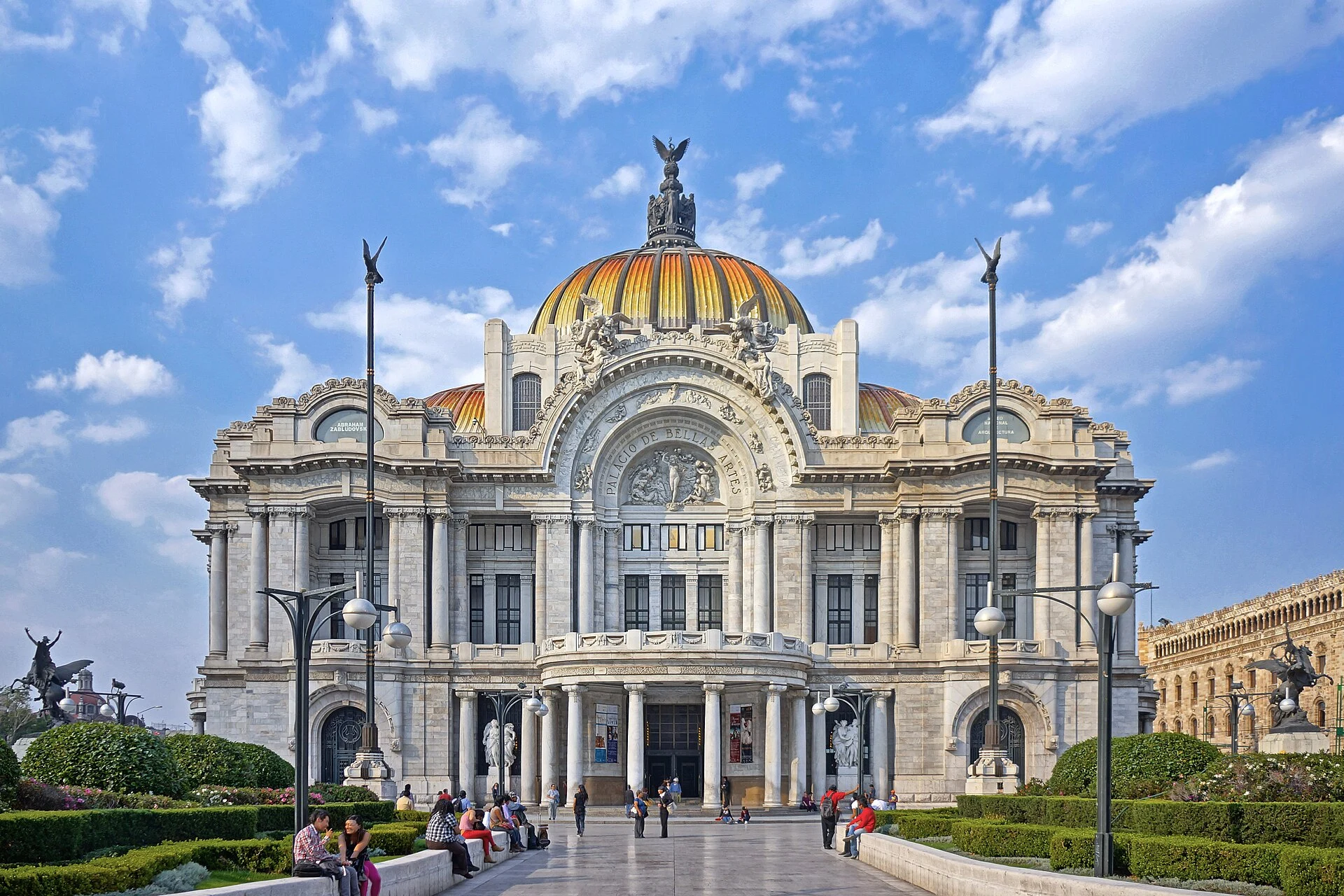
- Palacio de Bellas Artes: A stunning marble building housing some of Mexico’s greatest murals by Rivera, Orozco, and Siqueiros
Eat Your Way Through Mexico City
Food is one of the top reasons people visit. Mexico City’s dining scene is consistently ranked among the best in the world.
Start here:
- Tacos de canasta from street vendors in the morning. Soft tortillas filled with potato, chicharrón, or mole beans, sold from baskets on bicycles.
- Mercado de la Merced: The city’s largest traditional market, full of fresh produce, spices, and prepared foods
- Colonia Roma and Condesa: These neighborhoods hold the best restaurants, natural wine bars, and mezcal cantinas
Tip: A full street taco meal in Mexico City costs around 60 to 80 pesos ($3 to $4 USD). You do not need a big budget to eat extraordinarily well.
Take Day Trips from Mexico City
Some of the best things to do near Mexico City are within two hours by road.
Teotihuacán is the most visited archaeological site in Mexico. The Pyramid of the Sun is the third-largest pyramid on Earth. Climb it at sunrise for a view you will never forget.
Taxco is a perfectly preserved colonial silver town built into steep hills. The narrow cobblestone streets, white houses, and the baroque Santa Prisca church make it feel like a living museum.
Puebla is 1.5 hours from CDMX and famous for mole poblano, talavera pottery, and the world’s largest pyramid by volume, buried beneath a hill in nearby Cholula.
Best Places to Visit in Mexico Beyond the Capital
Mexico City is extraordinary, but Mexico does not begin and end there. The country’s regions each carry their own distinct identity, landscape, and soul.
Oaxaca: Culture, Crafts, and Cuisine
Oaxaca (pronounced wah-HAH-kah) is the cultural heartbeat of southern Mexico. It is one of the top places to visit in Mexico for travelers who care about art, food, and indigenous heritage.
What to do in Oaxaca:
- Visit Monte Albán, a 2,500-year-old Zapotec city built on a flattened mountaintop with sweeping valley views
- Tour a mezcal distillery in the nearby villages. Watch how agave plants are roasted, crushed, and fermented into Mexico’s most complex spirit.
- Explore the textile markets of Teotitlán del Valle, where Zapotec weavers still use natural dyes and backstrap looms
Oaxaca’s food scene rivals Mexico City’s. The state alone has seven distinct varieties of mole. Try a tlayuda, a large crunchy tortilla topped with black beans, asiento (unrefined lard), and tasajo (dried beef).
Cancún and the Riviera Maya: Sun, Sea, and Cenotes
The Yucatán Peninsula’s Caribbean coast is one of Mexico’s most visited mexico vacation spots, and for obvious reasons. The water is turquoise. The beaches are white. The infrastructure for tourists is excellent.
But the real treasures lie beneath the surface.
Cenotes are natural sinkholes filled with crystal-clear freshwater. The Maya considered them sacred portals to the underworld. Today, they are among the most magical swimming spots on Earth.
- Cenote Ik Kil: A deep, open cenote near Chichén Itzá with hanging roots and waterfall streams
- Cenote Dos Ojos: A cave cenote system perfect for snorkeling and diving
- Gran Cenote near Tulum: Shallow, clear, and ideal for beginners
Do not leave the Riviera Maya without visiting the Tulum ruins, a walled Mayan city perched on a cliff directly above the Caribbean Sea. It is one of the most photogenic mexico tourist attractions in the entire country.
Guadalajara: The Soul of Mexican Tradition
Guadalajara is Mexico’s second-largest city and the birthplace of two of the country’s most recognizable exports: tequila and mariachi music.
The city has a sophisticated energy, with wide boulevards, colonial plazas, excellent museums, and a thriving food scene, without the intensity of Mexico City.
Do not miss:
- A day trip to Tequila town in the state of Jalisco. Tour the blue agave fields and distilleries of Jose Cuervo and Herradura.
- Tlaquepaque: A charming artisan village within the city limits, filled with handblown glass, talavera tiles, and leather goods
- The Instituto Cultural Cabañas: A UNESCO World Heritage site housing José Clemente Orozco’s breathtaking ceiling murals
Los Cabos: Luxury and Adventure
Los Cabos sits at the southern tip of Baja California, where the Pacific Ocean meets the Sea of Cortez. Jacques Cousteau called the Sea of Cortez “the world’s aquarium.”
This is one of the finest Mexico vacation spots for travelers who want natural beauty paired with world-class comfort.
Top experiences in Los Cabos:
- El Arco (Land’s End): A dramatic natural rock arch rising from the sea, only reachable by boat
- Whale watching: Between December and April, grey whales and humpbacks migrate through the waters
- Desert ATV tours: The Baja desert is unlike anything else in Mexico, with cactus forests, dust tracks, and ocean views
San Cristóbal de las Casas: Colonial Highlands
Tucked into the mountains of Chiapas, San Cristóbal de las Casas is one of the most atmospheric places to visit in Mexico. The air is cool, the streets are cobblestone, and the surrounding villages are home to the Tzotzil Maya people who maintain centuries-old traditions.
What to do here:
- Visit the nearby villages of San Juan Chamula and Zinacantán, where traditional dress, ceremonies, and language are very much alive
- Take a boat through Sumidero Canyon, a dramatic gorge where walls rise 1,000 meters above the Grijalva River
- Explore the amber and jade markets in the city center
Outdoor and Adventure Things to Do in Mexico
Mexico is an exceptional destination for outdoor travelers. The country’s geography creates world-class conditions for hiking, diving, surfing, and wildlife encounters.
Water Sports and Coastal Activities
- Snorkeling in Cozumel: The Mesoamerican Barrier Reef, the second-largest coral reef system in the world, runs directly along Cozumel’s coast. Visibility can reach 30 meters on a calm day.
- Surfing in Puerto Escondido: The “Mexican Pipeline” at Zicatela Beach is one of the most powerful beach breaks on Earth. Beginners should head to the calmer La Punta break nearby.
- Swimming with whale sharks at Isla Holbox: Between June and September, the waters north of the Yucatán fill with the world’s largest fish. Swimming alongside them is one of the most extraordinary things to do in Mexico.
Hiking and Archaeological Exploration
- Copper Canyon (Barrancas del Cobre): Located in Chihuahua state, this canyon system is larger and deeper than the Grand Canyon. The Chepe train journey through it is one of Mexico’s great rail experiences.
- Palenque ruins: Deep in the Chiapas jungle, Palenque’s temples emerge from a sea of green. The site is far less crowded than Chichén Itzá and far more atmospheric.
- Volcano trekking: Iztaccíhuatl (5,230m) is a hikeable volcano near Mexico City. On a clear day, you can see it from CDMX’s rooftops.
Cultural Experiences and Hidden Mexico Vacation Spots
Festivals and Traditions Not to Miss
Mexico’s calendar is filled with extraordinary festivals. These are experiences that no hotel package can replicate.
Día de los Muertos (Day of the Dead) Celebrated on November 1st and 2nd, this is Mexico’s most iconic festival. The best places to experience it are Oaxaca and Pátzcuaro in Michoacán, where candlelit cemeteries, marigold altars, and all-night gatherings create something genuinely moving.
Guelaguetza Every July, Oaxaca hosts this indigenous dance and music festival, one of the most important cultural events in all of Latin America. Delegations from across the state’s eight regions perform in traditional dress.
Semana Santa (Holy Week) The week before Easter transforms cities like Taxco, San Cristóbal, and Oaxaca into open-air processions of color, incense, and ceremony.
Off-the-Beaten-Path Mexico Vacation Spots
These are the places most visitors miss, and the ones experienced travelers remember most.
Bacalar: The Lake of Seven Colors Located near the Belize border, Bacalar is a 42-kilometer lagoon with water that shifts from pale turquoise to deep navy. There are no large hotels, just small guesthouses, sailing boats, and almost no crowds.
Hierve el Agua In the mountains of Oaxaca, mineral-rich spring water has petrified over thousands of years into cascading rock formations that look exactly like frozen waterfalls. The view over the valley below is extraordinary.
Guanajuato This UNESCO-listed colonial city is painted in every color of the rainbow. Built into a narrow ravine, its streets run through tunnels, up steep staircases, and past plazas filled with students from its famous university. The Callejón del Beso (Alley of the Kiss), where two balconies nearly touch, is one of Mexico’s most romantic spots.
Practical Tips for Traveling in Mexico
How to Get Around Mexico
Mexico covers 1,972,550 square kilometers. Getting around efficiently requires some planning.
- Domestic flights: Mexico has a strong network of budget carriers. VivaAerobus and Volaris connect major cities affordably. A flight from Mexico City to Oaxaca costs around $40 to $80 USD.
- ADO buses: For routes under six hours, ADO’s premium buses are comfortable, punctual, and affordable. The Mexico City to Puebla route costs around 250 pesos ($12 USD).
- Driving: Renting a car is ideal for exploring Baja California, the Oaxacan valleys, or Chiapas. Stick to toll roads (autopistas) for safety and speed.
Safety Tips for Visitors
Mexico’s most popular tourist destinations are safe and well-visited. Millions of travelers move through them without incident every year.
Practical advice:
- Stay in well-reviewed accommodations in central neighborhoods
- Use Uber or official taxi apps rather than hailing street cabs at night
- Keep a copy of your passport and travel insurance documents saved digitally
- Research your specific destination before you go, as conditions vary significantly by state
How Much Does a Trip to Mexico Cost?
| Budget Level | Daily Cost (Per Person) | What It Includes |
| Budget | $40 to $60 USD | Hostels, street food, public transport |
| Mid-Range | $80 to $150 USD | Hotels, restaurants, tours |
| Luxury | $200+ USD | Boutique hotels, fine dining, private guides |
Tip: Mexico City and Oaxaca offer extraordinary value. Los Cabos and the Riviera Maya skew more expensive due to international demand.
Visa and Entry Requirements (2026)
Citizens of the United States, Canada, United Kingdom, European Union, and Australia do not require a visa to enter Mexico for tourism.
Upon arrival, you receive a tourist card (FMM) allowing a stay of up to 180 days. Keep this card safe, as you will need to return it on departure.
Conclusion
Mexico rewards every kind of traveler. Beach lovers will find long stretches of flawless coastline waiting for them. History enthusiasts can explore some of the most significant archaeological sites on Earth. Food lovers get to experience a cuisine recognized by UNESCO as a global treasure.
The things to do in Mexico stretch from the silent mountains of Chiapas to the streets of CDMX. From the turquoise sinkholes of the Yucatán to the mezcal-soaked alleys of Oaxaca.
No single trip covers everything, and that is precisely the point. Mexico is a country you return to.
Plan your first route, book your flights, and start with one city. The rest will unfold naturally once you arrive.
Explore the places. Eat the food. Talk to people. Mexico will do the rest.