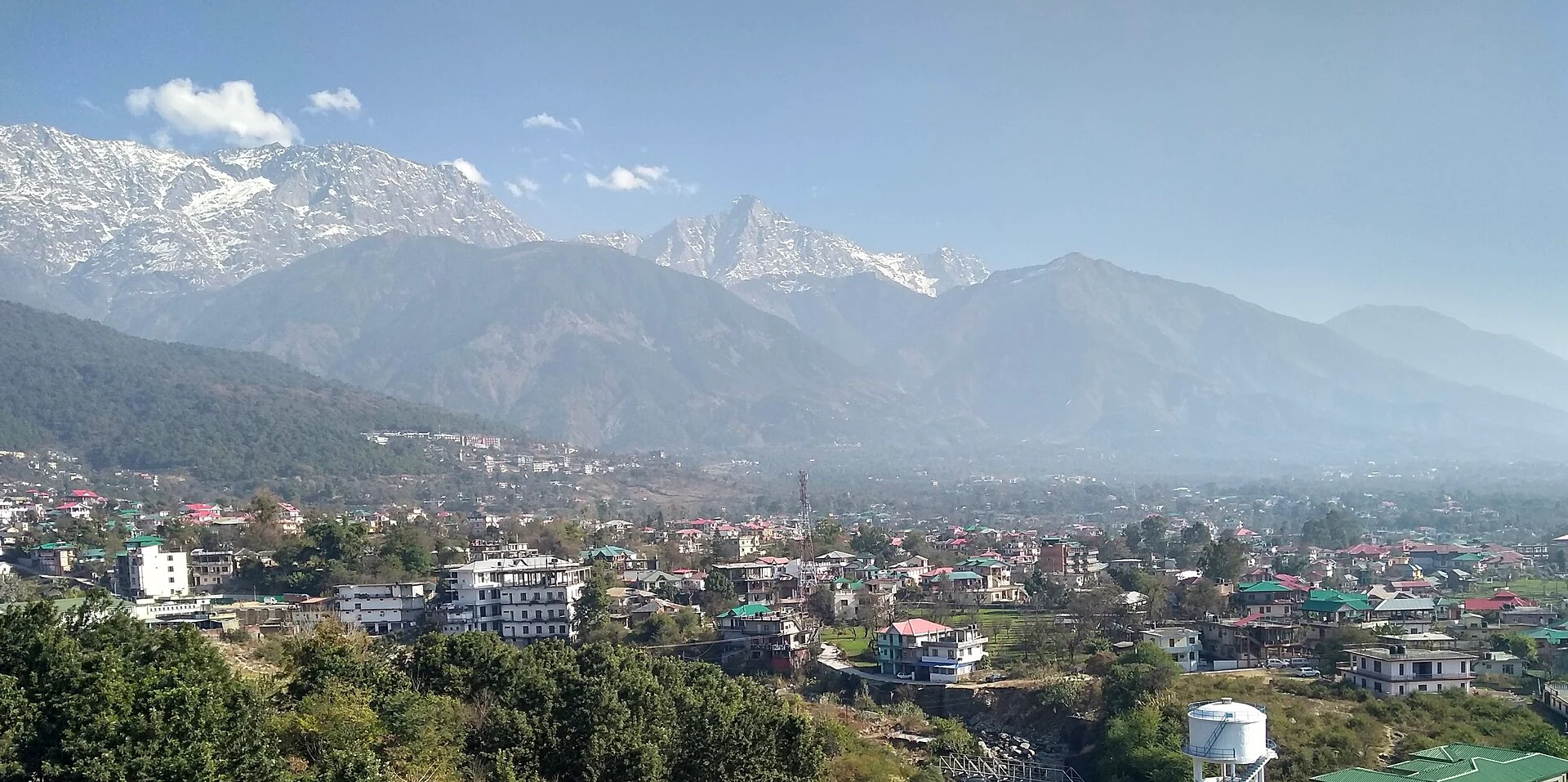
Dharamshala and McLeodganj are technically the same place and somehow completely different worlds. Lower Dharamshala is a working Himachali district town. Upper McLeodganj, just 9 km up the mountain, is Little Lhasa – Tibetan monasteries, exile refugees, butter tea, and the residence of the Dalai Lama in one compact hill town. The places to visit in Dharamshala range from some of the most significant Tibetan Buddhist sites in exile to a largely unknown 8th-century rock-cut temple carved into a Himalayan hillside. Furthermore, a cricket ground that photographs better than almost any sporting venue on the planet sits right between them.
This guide covers all 12 best places to visit in Dharamshala with honest entry fees, timings, trek distances, and crowd realities. Most notably, it tells you which spots genuinely reward the effort and which ones require managed expectations.
What You Will Learn
- The 12 best places to visit in Dharamshala and McLeodganj with entry fees and timings
- Which Dharamshala tourist places are genuinely worth the effort and which ones are overhyped
- Attractions in Dharamshala organized by traveler type: families, couples, trekkers, spiritual seekers
- The best and worst times to visit explained honestly
- Dharamshala nearby tourist places worth a full day trip
- Ready-to-use 2-day and 3-day itineraries that make geographic sense
Understanding Dharamshala and McLeodganj: Before You Plan
Most visitors arrive without understanding the geography. That single mistake wastes an afternoon.
Lower Dharamshala sits at approximately 1,450 metres. It is the administrative center, home to the Kangra Cricket Stadium, district offices, and local markets. Most travelers pass through it on arrival and never return. Upper McLeodganj, at roughly 1,457 metres, is what the world knows as Dharamshala. The Dalai Lama has lived here since 1960, and an entire Tibetan exile community has built a second Lhasa across the hillside.
That said, the geography does not stop at two tiers. Bhagsu, Dharamkot, and Naddi are separate micro-destinations within walking distance or a short shared taxi ride from McLeodganj. In particular, Dharamkot has become the quietest and most atmospherically Himalayan of the three, while Bhagsu offers a waterfall trail and a cluster of excellent cafes.
The two towns are 9 km apart by road and completely different in character. Most travelers spend all their time in McLeodganj. That is not wrong, but lower Dharamshala has specific experiences – specifically the HPCA Stadium views and proximity to Norbulingka Institute – worth seeking out before you leave.
Spiritual and Cultural Places to Visit in Dharamshala
These three sites define the identity of Dharamshala globally. Any trip that misses Namgyal Monastery has missed the entire point.
1. Namgyal Monastery (Tsuglagkhang Complex)
This is the Dalai Lama’s personal monastery and the most significant Tibetan Buddhist site in exile anywhere in the world. Founded in 1959 following the occupation of Tibet, the complex houses the Tsuglagkhang temple with its towering statues of Buddha Shakyamuni, Avalokiteshvara, and Padmasambhava. Furthermore, the adjoining Tibet Museum documents the Tibetan exile with personal testimonies and photographs that carry a weight that no summary can replicate.
Entry is free. The complex opens at 6 AM and closes at 8 PM. Arrive before 9 AM on weekdays for the quietest experience by a significant margin.
Honest note: The Dalai Lama’s public teachings draw enormous crowds from across the world. Check the official schedule at dalailama.com before planning your trip around the possibility of attending one.
2. Tibetan Institute of Performing Arts (TIPA)
Established in 1959 specifically to preserve Tibetan opera, music, and performing arts in exile, TIPA is one of the most undervisited institutions in McLeodganj. The Institute performs Lhamo – traditional Tibetan opera – on scheduled dates throughout the year. Moreover, a small museum within the campus documents traditional performing traditions with care and genuine cultural depth.
Entry to the museum is free. Performance tickets are available on scheduled show dates. The institute sits approximately 1 km from the McLeodganj main square, well within walking distance.
3. St. John in the Wilderness Church
A 19th-century Gothic Anglican church set within the deodar cedar forest between lower Dharamshala and McLeodganj, St. John is genuinely unlike any other site in the region. The Belgian stained glass windows are the finest example of colonial-era ecclesiastical art in Himachal Pradesh. Furthermore, Lord Elgin, Viceroy of India, is buried in the churchyard, adding a specific historical weight that transforms the visit from a photo stop into something more considered.
Entry is free. The church is open during daylight hours. Most notably, the 15-minute walk through the deodar forest to reach it is itself part of the experience.
Nature and Adventure Attractions in Dharamshala
The treks accessible from McLeodganj vary from a confident beginner’s first Himalayan summit to a serious multi-day wilderness experience. Know the difference before you book.
4. Triund Trek
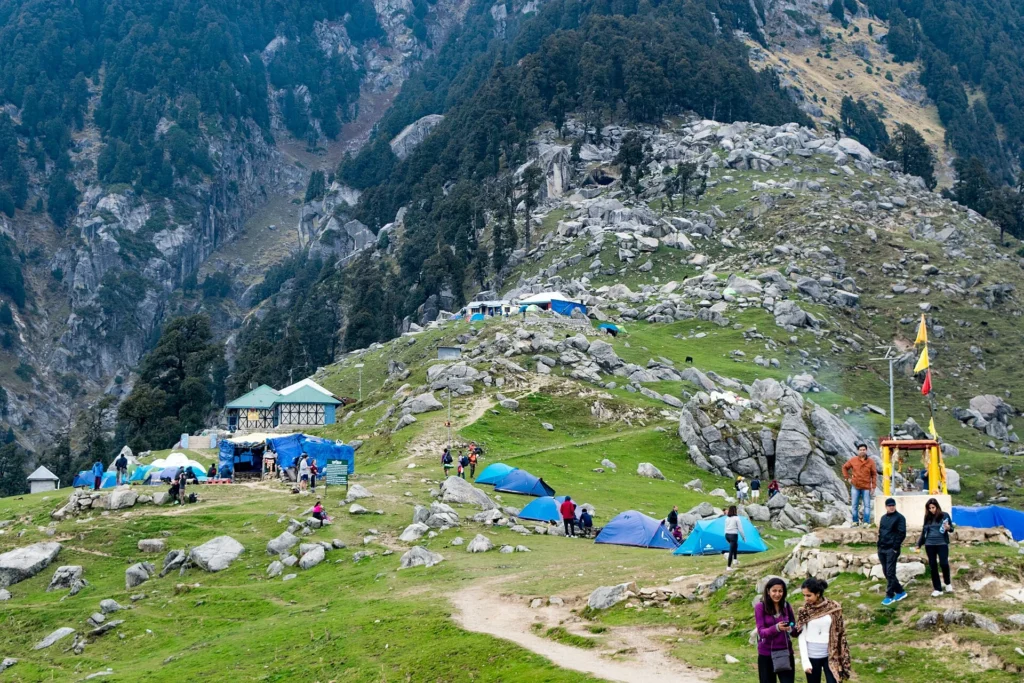
The Triund summit at 2,875 metres is the most popular and most rewarding single-day trek from McLeodganj. The trail begins at Dharamkot village, 3 km from the main square, and covers 9 km one-way. Furthermore, the summit view – Dhauladhar range to the north, Kangra valley spreading south – is genuinely extraordinary in a way that justifies every superlative it receives online.
Difficulty: moderate. Suitable for fit beginners with appropriate footwear. Allow 4 to 5 hours upward and 3 hours return. Overnight camping at the summit costs approximately INR 800 to 1,200 per night through registered operators.
Honest note: The trail closes during January and February due to snow risk. Weekends are genuinely crowded to the point of diminishing the experience. Go on a Tuesday or Wednesday if your schedule allows.
5. Bhagsunag Waterfall and Temple
A 30-foot waterfall approximately 2 km from McLeodganj, reached via a walk through Bhagsu village. The Bhagsunath Temple dedicated to Lord Shiva sits at the base and predates the waterfall path by centuries. Moreover, the walk from McLeodganj through Bhagsu village – past its cafes, bakeries, and small shops – is enjoyable enough to be worth doing regardless of the waterfall.
Access is free. That said, the waterfall path gets genuinely slippery during monsoon, and proper footwear is essential rather than optional.
Honest note: Outside monsoon season, the waterfall is modest. Weekend crowds make the experience noticeably less peaceful. Visit before 8 AM or after 4 PM on weekdays for a significantly better experience.
6. Dal Lake Dharamshala
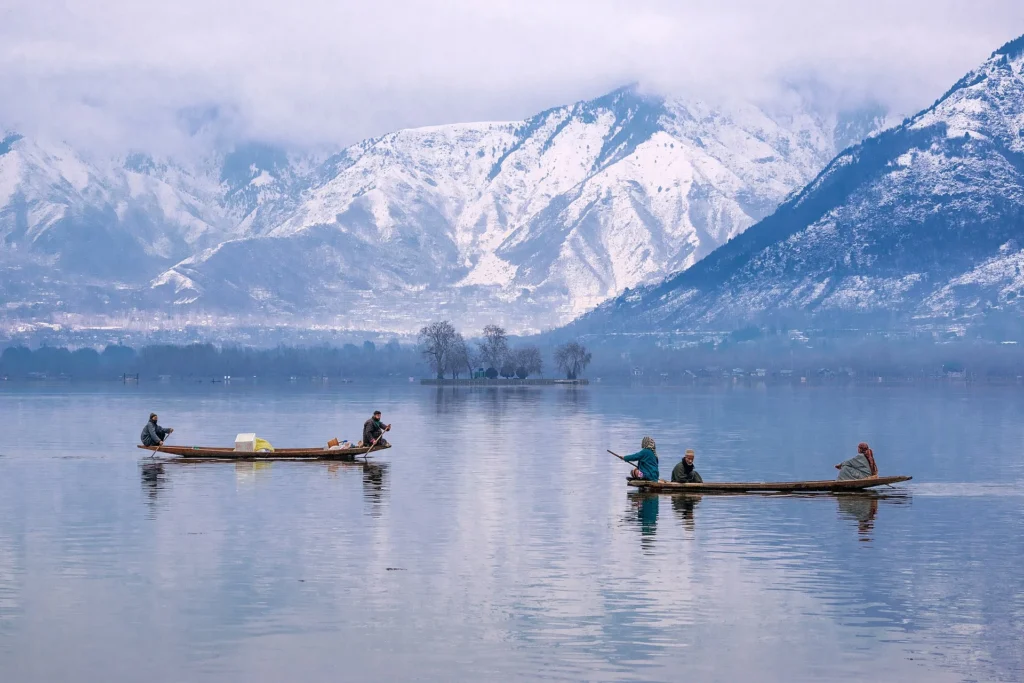
A small Himalayan lake 2 km from McLeodganj, markedly different from its famous Kashmiri namesake. The surrounding deodar and oak forest and the Devi Bhoomi temple at the lakeside create a quiet retreat that most trekking-focused visitors skip entirely. Furthermore, early morning visits – when mist sits on the water and no one else is there – produce outstanding photography conditions.
Access is free. The walk from McLeodganj takes approximately 30 to 40 minutes through forest.
Honest note: The lake is small. Visitors expecting a grand mountain panorama will feel disappointed. The forest walk to reach it is the actual attraction, not the lake itself. Adjust expectations accordingly and you will enjoy it.
7. Dharamkot Village
A small Himalayan settlement 2 km above McLeodganj, Dharamkot serves as the base for Triund, Indrahar Pass, and Kareri Lake treks. The village has developed a significant yoga and meditation retreat culture with multiple residential centers offering everything from weekend workshops to month-long programs. Moreover, Dharamkot provides the quietest and most atmospherically Himalayan accommodation in the entire Dharamshala area.
Walking through the village is free. The Tushita Meditation Centre here runs 10-day Vipassana-style Introduction to Buddhism courses that require advance booking months ahead – check tusitaindia.org for upcoming dates.
Dharamshala Tourist Places: The Cultural and Historical Layer
Most trekking-focused visitors leave without seeing these three sites. That is a genuine loss.
8. Kangra Fort
One of the oldest and largest forts in the Himalayas, located 20 km from Dharamshala in Kangra town. Dated to before 3,500 BCE, the fort served as the seat of the Katoch dynasty and withstood multiple Mughal siege attempts over centuries. Furthermore, the Archaeological Survey of India now maintains both the fort and the museum within, which documents its extraordinary history with considerable depth.
Entry fee: INR 25 for Indian nationals. Open 9 AM to 5 PM. Allow a minimum of 2 hours.
Honest note: The fort requires significant walking across uneven terrain. Visitors with mobility challenges should note this before planning the trip.
9. HPCA Cricket Stadium (Dharamshala Stadium)
One of the most photographed cricket grounds on earth, sitting at approximately 1,457 metres with the full Dhauladhar range filling the frame behind the stands. On match days, the stadium hosts international fixtures and IPL games – advance tickets are essential and sell out quickly. Moreover, the stadium is visually striking even on non-match days, and the surrounding walking paths deliver excellent Dhauladhar panoramas.
Stadium tour tickets on non-match days: approximately INR 100.
10. Norbulingka Institute
Established in 1988, this Tibetan craft and cultural center sits in Sidhbari, 6 km below McLeodganj. The institute trains Tibetan artisans in thangka painting, woodcarving, and textile work – traditional crafts that face genuine extinction without institutional preservation. Furthermore, the grounds contain a Losel Doll Museum documenting Tibetan life through traditional figures, a Japanese-inspired garden of unusual quality, and a cafe serving some of the best food in the entire Dharamshala area.
Entry fee: INR 30. Open 9 AM to 5:30 PM, closed on Sundays.
Honest note: Norbulingka is the most undervisited attraction in the entire Dharamshala area and delivers one of the finest craft-culture experiences in Himachal Pradesh. Above all, it rewards travelers who prioritize depth over Instagram checkboxes.
Dharamshala Nearby Tourist Places Worth a Day Trip
These two destinations extend the Dharamshala experience into the wider Kangra valley. Both require a full day and both repay the effort significantly.
11. Masrur Rock-Cut Temple
An 8th-century Shiva temple complex carved directly into the Himalayan rock, located 40 km from Dharamshala in the Kangra valley. Often called the Kangra Valley’s Ellora, the site is on the UNESCO World Heritage tentative list. Furthermore, the surrounding hilltop panorama across the Kangra valley toward the Dhauladhar range is extraordinary – particularly in the late afternoon when the light shifts warm.
Entry fee: INR 25 for Indian nationals. Open 8 AM to 6 PM. Allow a minimum of 2 hours.
Honest note: The drive through the Kangra valley to reach Masrur is itself worth doing slowly. Hire a local taxi rather than rushing through on a shared vehicle.
12. Kareri Lake Trek
A high-altitude glacial lake at 2,934 metres, approximately 13 km one-way from the Ghera trailhead. The trail passes through dense forest, small Gujjar nomad settlements, and open alpine meadows before reaching the lake. Moreover, Kareri provides the finest overnight camping experience accessible from Dharamshala without technical climbing skills or specialized equipment.
Difficulty: moderate to challenging. Allow 2 full days for the return journey with overnight camping. Best season: May to June and September to October. The lake freezes solid in winter and the trail above Kareri village becomes hazardous.
Honest Comparison: Which Attractions in Dharamshala Are Worth Your Time
| Attraction | Distance from McLeodganj | Entry Fee | Crowd Level | Honest Rating |
| Namgyal Monastery | Walking distance | Free | High on weekends | Essential – visit early |
| Triund Trek | 3 km to trailhead | Free | High on weekends | Excellent – go weekday |
| Bhagsunag Waterfall | 2 km walk | Free | Very high | Good in monsoon only |
| Dal Lake | 2 km walk | Free | Low | Forest walk is the draw |
| Dharamkot Village | 2 km | Free | Low | Best for yoga retreats |
| St. John Church | 2 km | Free | Low | Peaceful, underrated |
| TIPA | 1 km | Free | Very low | Cultural, uncrowded |
| HPCA Stadium | 9 km lower town | INR 100 | Low | Views are extraordinary |
| Norbulingka Institute | 6 km | INR 30 | Very low | Best hidden gem |
| Kangra Fort | 20 km | INR 25 | Moderate | Essential for history lovers |
| Masrur Temple | 40 km | INR 25 | Low | Underrated, worth the drive |
| Kareri Lake | 25 km to trailhead | Free | Very low | Best overnight trek |
Dharamshala Tourist Places by Traveler Type
Best places to visit in Dharamshala for spiritual seekers
Namgyal Monastery and the Tsuglagkhang Complex provide the finest Tibetan Buddhist experience in exile anywhere outside Tibet itself. Tushita Meditation Centre in Dharamkot runs residential Vipassana and Buddhist philosophy programs for international participants. Furthermore, Norbulingka Institute provides a quieter and more artistically focused spiritual dimension that feels distinct from the monastery circuit. St. John in the Wilderness offers a colonial-era Christian heritage experience unlike anything else in Himachal Pradesh.
Best attractions in Dharamshala for adventure trekkers
Triund Trek is the right entry point – a genuine Himalayan summit with a spectacular reward that does not punish beginners for attempting it. Kareri Lake Trek provides the finest multi-day wilderness experience accessible from the Dharamshala base without technical skills. Moreover, Indrahar Pass at 4,342 metres is the most challenging and most rewarding objective for experienced trekkers who want a serious undertaking. Dharamkot village serves as the best accommodation base for all three routes.
Best places to visit in Dharamshala for families
HPCA Cricket Stadium delivers the finest mountain sports backdrop for family photography anywhere in the Himalayas. Norbulingka Institute’s Losel Doll Museum and Japanese gardens suit children and parents equally well. Furthermore, the Bhagsunag Waterfall walk through Bhagsu village is an easy and enjoyable family half-day with enough cafes to turn it into a relaxed outing. Dal Lake’s forest walk suits families with older children comfortable on moderate forest paths.
Best Dharamshala tourist places for couples
Triund summit camping at sunset and sunrise remains the most memorable Himalayan experience accessible from the region without expedition-level commitment. St. John in the Wilderness offers a forest walk with a genuine colonial atmosphere and almost no crowds. Moreover, Norbulingka Institute’s gardens provide a beautiful, quiet afternoon that most other visitors miss entirely. Masrur Rock-Cut Temple at golden hour combines outstanding photography conditions with the shared experience of discovering something genuinely underrated.
Best Time to Visit Dharamshala: Honest Seasonal Guide
| Season | Months | Experience | Honest Assessment |
| Winter | Nov to Feb | Snow on Dhauladhar, cold | Beautiful but Triund closes; carry heavy layers |
| Spring | Mar to May | Best overall, mild | Perfect for trekking and sightseeing |
| Monsoon | Jun to Sep | Green valleys, rain | Waterfalls peak; Triund trail slippery; leeches on forest paths |
| Autumn | Oct to Nov | Clear skies, comfortable | Second best season; Kareri Lake at its finest |
Why spring is the best time to visit Dharamshala
March to May delivers the finest overall conditions for both sightseeing and trekking simultaneously. Furthermore, rhododendron blooms in March and April transform the forest trails between McLeodganj and Dharamkot with vivid colour that no photograph does justice. Most notably, visibility from the Triund summit is at its clearest during April and early May, when the post-winter air sits stable and the Dhauladhar rises in full definition.
Why monsoon has specific advantages despite the rain
Bhagsunag Waterfall reaches its full dramatic flow only during June to September – outside this window, it is a modest trickle. Moreover, the Kangra valley turns intensely green and the misty Dhauladhar photographs at its most atmospheric during the early monsoon weeks. That said, the forest paths develop leeches above Bhagsu village, the Triund upper trail becomes genuinely slippery, and the Masrur road can flood after heavy rain. Go in September rather than July if monsoon timing is unavoidable.
Practical Tips Before You Visit Dharamshala
Getting to Dharamshala
The nearest airport is Gaggal Airport (Kangra Airport), 12 km from lower Dharamshala, connecting to Delhi and Mumbai with daily flights. The nearest major railway junction is Pathankot, 90 km away, with taxi connections taking approximately 2.5 hours on mountain roads. By road, Dharamshala is 474 km from Delhi – approximately 9 hours by bus or hired car via NH44. Furthermore, Volvo AC overnight buses from Delhi’s ISBT Kashmiri Gate run direct to McLeodganj and are the most comfortable and cost-effective option for most travelers.
Getting around between Dharamshala and McLeodganj
Local shared taxis run between lower Dharamshala and McLeodganj for INR 15 to 20 per seat throughout the day. Auto-rickshaws cover the same route for approximately INR 80 to 100 on hire. Moreover, walking between McLeodganj, Bhagsu, Dharamkot, and Naddi is practical for most routes and considerably more enjoyable than sitting in traffic.
Practical things to know before visiting
McLeodganj follows Indian Standard Time, but restaurant and cafe timings lean later than most Indian towns – lunch often begins at 1 PM rather than 12 PM. Cash is essential. Card acceptance is limited in Bhagsu, Dharamkot, and on all trekking routes. Furthermore, altitude adjustment takes approximately one day – arriving from sea level and attempting Triund on day one is a reliable way to ruin the trek. Give yourself one acclimatization day before any strenuous activity.
Dharamshala Itineraries: How to Plan Your Visit
2-Day Dharamshala Itinerary
Day 1: McLeodganj and the Spiritual Core
7 AM: Namgyal Monastery and Tsuglagkhang before the first tour groups arrive 10 AM: Tibet Museum adjacent to the monastery 12 PM: Lunch at a Tibetan restaurant on Jogibara Road – try the thukpa 2 PM: TIPA Institute visit 4 PM: Walk to St. John in the Wilderness Church through the deodar forest 6 PM: Return for sunset at Naddi Viewpoint above McLeodganj
Day 2: Bhagsu, Dharamkot, and the Forest Circuit
7 AM: Bhagsunag Waterfall before weekend crowds arrive 9 AM: Cafe breakfast in Bhagsu village on the way back 11 AM: Dharamkot village walk for meditation center exploration 2 PM: Dal Lake forest walk return circuit 4 PM: Norbulingka Institute if your route back passes through lower Dharamshala
3-Day Dharamshala Itinerary
Day 1: Full McLeodganj spiritual and cultural circuit as above Day 2: Triund Trek – depart Dharamkot at 7 AM, summit by noon, overnight camping at the ridge Day 3: Triund descent by 10 AM, afternoon Kangra Fort day trip, evening return to McLeodganj
Extended 4 to 5 Day Itinerary
Days 1 to 2: Full 2-day McLeodganj circuit above Day 3: Masrur Rock-Cut Temple day trip through the Kangra valley – take the scenic route via Kangra town Days 4 to 5: Kareri Lake Trek overnight camping from Ghera trailhead Return through lower Dharamshala with a final stop at Norbulingka Institute before departure
Conclusion
The places to visit in Dharamshala range from one of the most significant Tibetan Buddhist sites in exile to an 8th-century rock-cut temple carved into a Himalayan hillside by craftsmen whose tools and intent we can only imagine. Most visitors arrive for two nights, walk to the waterfall, climb toward Triund, and leave convinced they have seen it all. They have seen perhaps a third of it.
Norbulingka is waiting to surprise you. Kareri Lake is waiting to humble you. Masrur is waiting to remind you that the Kangra valley was producing extraordinary things long before McLeodganj had a cafe on every corner. McLeodganj itself is waiting to hold you longer than you planned – which is, honestly, exactly what it has always done best.
Frequently Asked Questions
What are the best places to visit in Dharamshala?
What is the difference between Dharamshala and McLeodganj?
What is the best time to visit Dharamshala?
How many days are enough for Dharamshala?
Is Triund Trek suitable for beginners?
What are the best Dharamshala nearby tourist places?
Is Dharamshala good for families?
What are the must-see attractions in Dharamshala?
How far is McLeodganj from Dharamshala?
Is Dharamshala safe to visit?
What is Dharamshala famous for?
What is the best area to stay in Dharamshala?