
Guwahati sits where the Brahmaputra widens into something closer to a sea than a river. Furthermore, this Assam capital serves as the gateway to all of Northeast India, yet it holds enough temples, wetlands, and river islands to justify a dedicated multi-day visit on its own.
Most notably, the places to visit in Guwahati span a hilltop Shakti Peetha, the world’s smallest inhabited river island, and a rhino sanctuary within easy day-trip distance. As a result, travelers who treat Guwahati as a mere stopover before Kaziranga or Shillong consistently miss what makes the city worth visiting on its own terms.
This guide covers all 15 honestly, with entry fees, timings, a dedicated couples section, and the day trips that most competing guides barely mention.
What You Will Learn
- The 15 best places to visit in Guwahati with entry fees and timings
- Famous places in Guwahati – the essential landmark shortlist
- Attractions in Guwahati by traveler type: couples, families, nature lovers
- Best time to visit Guwahati, including honest Ambubachi Mela crowd advice
- Day trips near Guwahati – Pobitora and Chandubi Lake
- A ready-to-use 2-day Guwahati itinerary
Why Guwahati Is More Than a Northeast India Gateway
Guwahati sits on the south bank of the Brahmaputra between the river and the Shillong plateau foothills. Furthermore, this geography gives the city hills, wetlands, and riverfront within its own municipal limits.
Most notably, Kamakhya Temple ranks among the most significant Shakti Peethas in Hindu tradition, drawing pilgrims from across India year-round. As a result, travelers who treat Guwahati only as an overnight stop before Kaziranga or Shillong consistently miss its strongest attractions.
In particular, few Indian state capitals combine a major pilgrimage site, a wildlife sanctuary, and a genuine river island temple within a single city’s reach.
Famous Places in Guwahati: The Essential Landmark Shortlist
The famous places in guwahati cluster around three landmarks that appear in nearly every visitor’s itinerary. Furthermore, all three sit within a short drive of the city center, making a single focused morning enough to see them all.
1. Kamakhya Temple
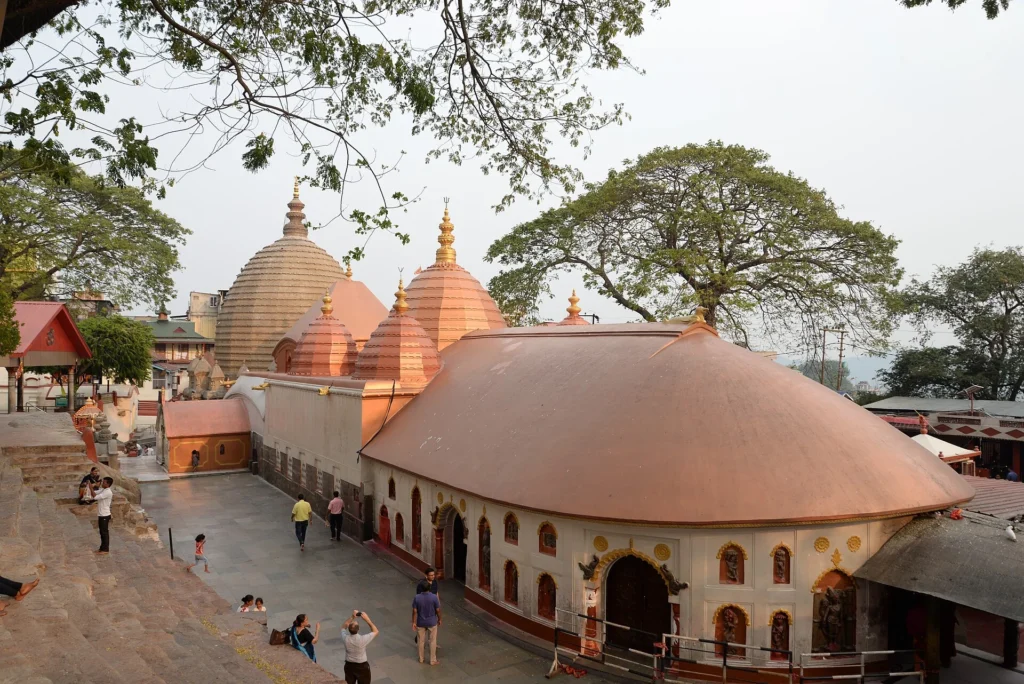
Kamakhya Temple sits atop Nilachal Hill overlooking the Brahmaputra and the city below. Furthermore, Hindus recognize it as one of the most powerful Shakti Peethas in India.
Most notably, the temple houses no traditional idol. The sanctum instead centers on a natural rock formation that devotees worship as the goddess herself.
The Ambubachi Mela in June draws the temple’s largest annual crowds. As a result, the temple closes for several days during the ritual before reopening for major celebrations that draw pilgrims from across the country.
Honest tip: visit early morning or just before sunset on a weekday to avoid the heaviest queues outside festival season.
- Entry: Free, special darshan fees vary
- Timings: Early morning to evening daily
- Best time: Sunrise or sunset on a weekday
2. Umananda Temple (Peacock Island)
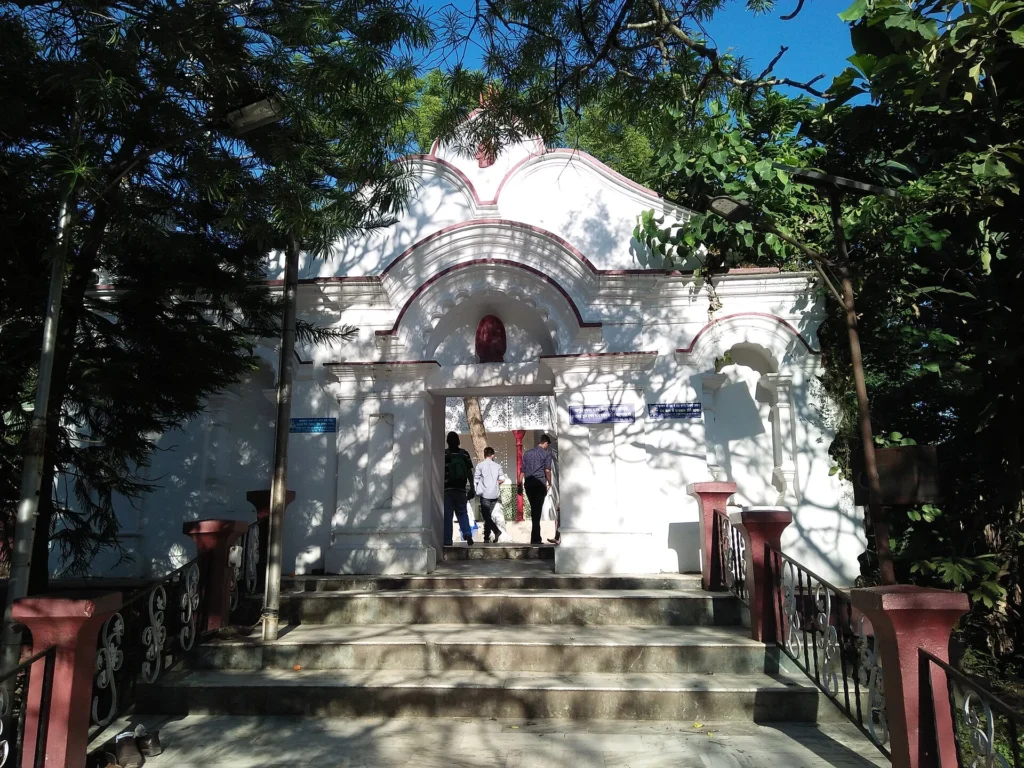
Umananda Temple sits on Peacock Island in the middle of the Brahmaputra. Furthermore, locals and travel writers describe it as the world’s smallest inhabited river island.
Most notably, ferries from Kachari Ghat reach the island in under 10 minutes, making this one of the most accessible river experiences among all famous places in Guwahati. As a result, combining Umananda with a Brahmaputra sunset cruise creates the finest single river experience in the city.
Devotees worship Lord Shiva at the temple, and Shiva Chaturdasi remains the island’s most celebrated annual festival.
- Entry: Ferry costs approximately INR 20 to 30
- Timings: Daylight hours
3. Navagraha Temple
Navagraha Temple stands on Chitrachal Hill and represents the nine celestial bodies of Hindu astrology. Furthermore, each of the nine grahas holds its own symbolic shrine inside the temple complex.
Most notably, the hilltop location provides sweeping views across Guwahati and the green hills beyond. As a result, visitors interested in astrology or simply a scenic city view both find reasons to climb Chitrachal Hill.
- Entry: Free
- Timings: Standard temple hours
Nature and Wildlife Attractions in Guwahati
The attractions in Guwahati extend well beyond temples into wetlands, forests, and a genuinely significant urban zoo. Furthermore, this natural diversity within city limits distinguishes Guwahati from most other Indian state capitals.
4. Dipor Beel (Deepor Beel) Bird Sanctuary
Dipor Beel sits 18 km southwest of central Guwahati as a freshwater lake in a former Brahmaputra channel. Furthermore, the government declared it a bird sanctuary in 1989 owing to its exceptional biodiversity.
Most notably, migratory storks, ducks, and rare water birds arrive here in winter, drawing birdwatchers from across the region. As a result, Dipor Beel ranks as the finest nature-focused destination among all attractions in guwahati.
Local operators run boat rides and nature walks around the wetland edges. Furthermore, the open skies and reed-lined shores create a genuinely peaceful setting even for visitors uninterested in birdwatching specifically.
- Entry: Nominal fee
- Best time: Winter months for peak migratory activity
5. Assam State Zoo cum Botanical Garden
The Assam State Zoo occupies the Hengrabari Reserved Forest and ranks as the largest zoo in the region. Furthermore, the zoo houses rhinos, tigers, and clouded leopards alongside an extensive botanical garden.
Most notably, families visiting Guwahati consistently rate the zoo as their strongest single day out with children. As a result, it remains the top recommendation among all Guwahati tourist places for family travel.
- Entry: Approximately INR 30 for Indians, higher for foreign visitors
- Timings: 8 AM to 4:30 PM, closed on Fridays
6. Silsako Lake
Silsako Lake represents Guwahati’s urban wetland conservation effort. Furthermore, the lake remains genuinely less touristy than the city’s temple circuit.
Most notably, visitors who prefer quieter, less commercial spaces specifically seek out Silsako over the busier Brahmaputra ghats. As a result, this spot suits travelers who have already covered the main landmarks and want somewhere calmer.
7. Basistha Temple and Ashram
Basistha Temple sits in southeastern Guwahati, its origins tied to the legendary sage Vasistha. Furthermore, the temple honors Lord Shiva within a setting of streams and dense green cover.
Most notably, walking along the water channels after darshan creates a genuinely calming combination of spiritual and natural experience. As a result, Basistha suits travelers who want a quieter alternative to Kamakhya’s larger crowds.
- Entry: Free
- Location: Approximately 12 km from Paltan Bazaar
Cultural and Heritage Attractions in Guwahati
8. Srimanta Sankaradeva Kalakshetra
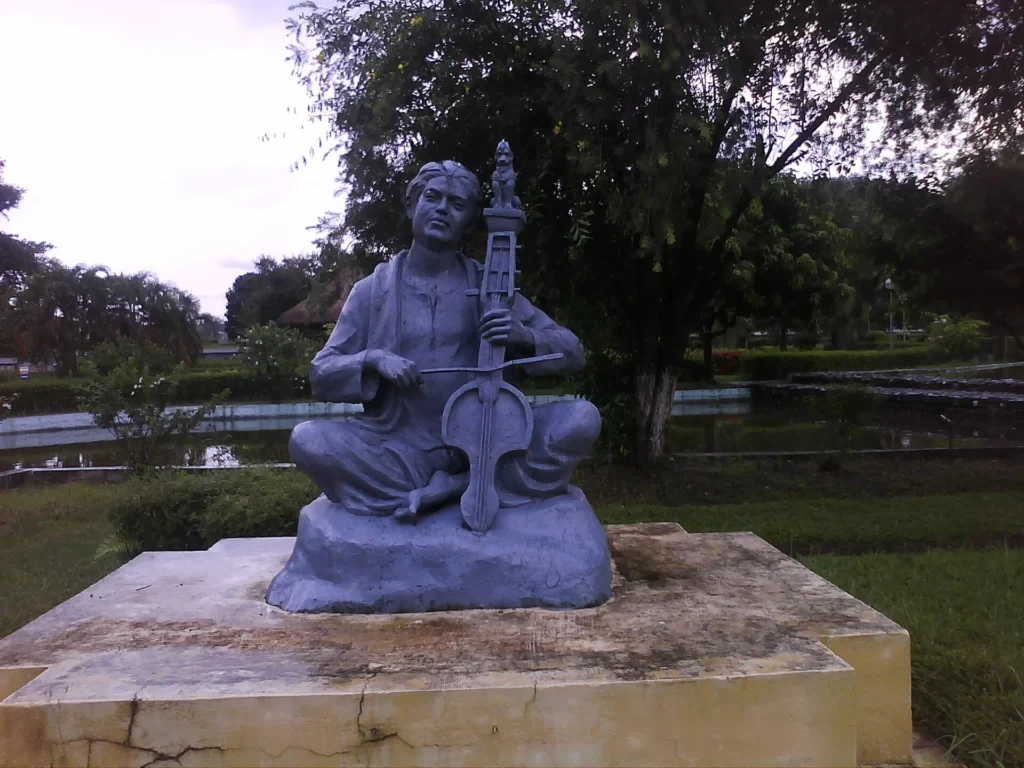
This cultural complex honors medieval Assamese poet-reformer Srimanta Sankardev. Furthermore, the center showcases Assam’s traditional art, music, dance, and broader cultural heritage under one roof.
Most notably, the complex suits travelers who want a structured introduction to Assamese culture before exploring the wider region. As a result, first-time Northeast India visitors often start their cultural education here.
9. Guwahati Planetarium
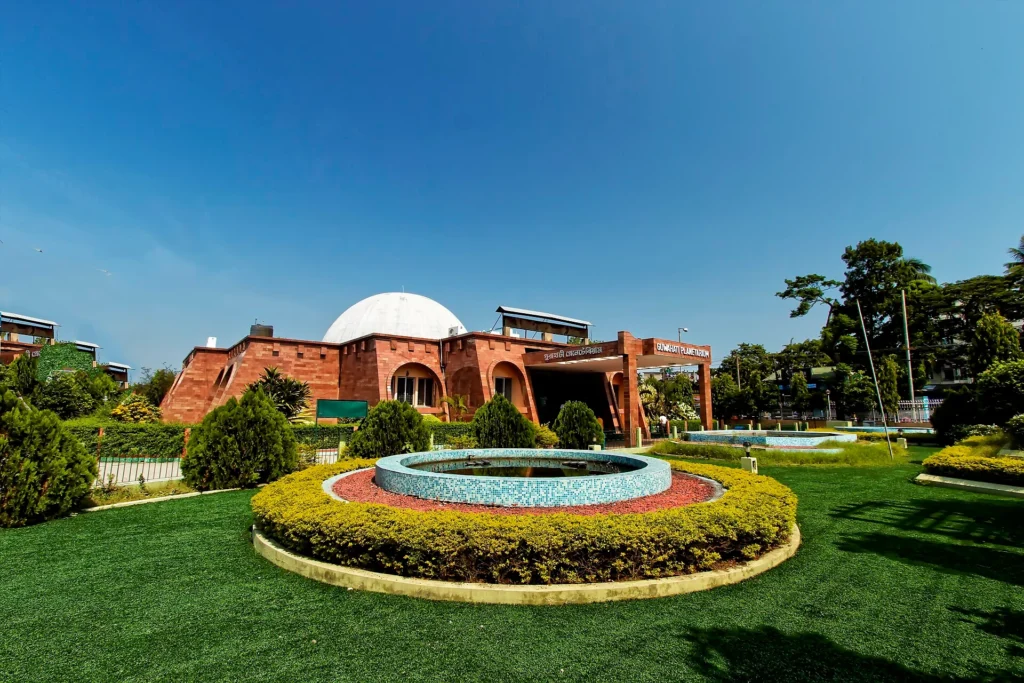
The Guwahati Planetarium on MG Road runs regular skywatching sessions alongside dome-projected shows. Furthermore, shows run in Hindi, English, and Assamese every two hours, making scheduling straightforward for visitors.
Most notably, recent upgrades introduced new immersive theatre formats, making this a stronger educational attraction for families and students than in previous years.
- Entry: Approximately INR 30 to 50
- Timings: Shows every 2 hours
10. Assam State Museum
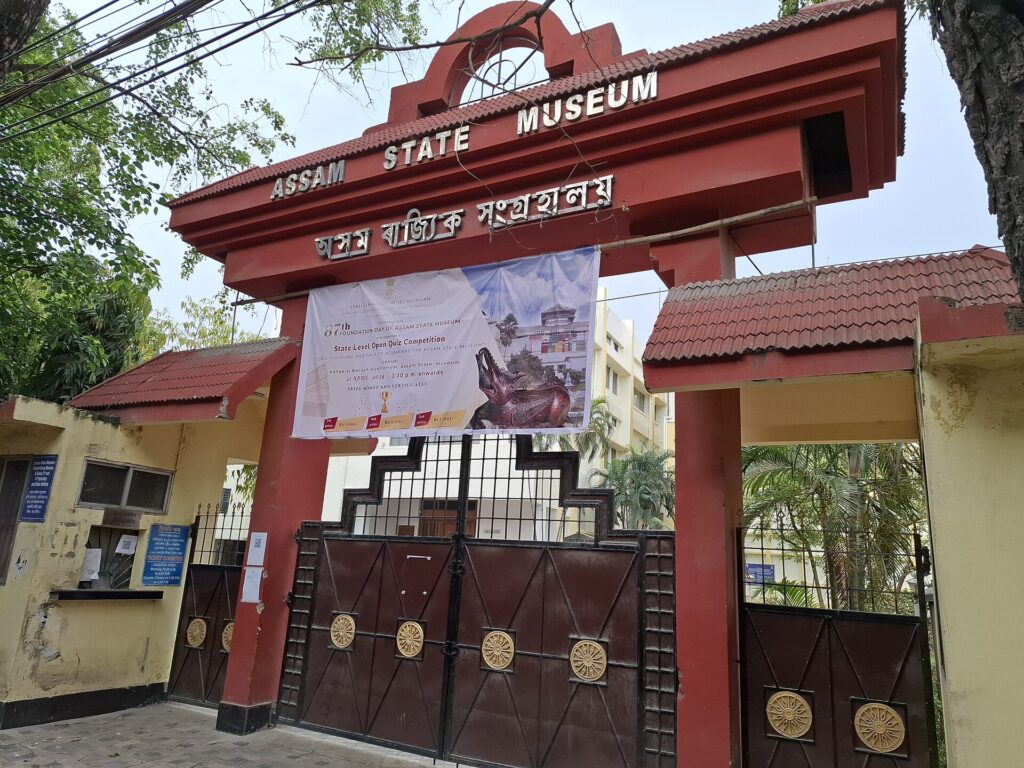
The Assam State Museum ranks among the largest and most significant museums in the region. Furthermore, exhibits document Ahom-era culture and Assamese folklore in genuine depth.
Most notably, history-focused travelers consistently rate this museum as essential before visiting the state’s temple and archaeological sites elsewhere in Assam.
11. Saraighat Bridge
Engineers completed the Saraighat Bridge as the first rail-cum-road bridge across the Brahmaputra. Furthermore, Pandit Jawaharlal Nehru inaugurated it in 1962.
Most notably, the bridge sits over the historic site of the Battle of Saraighat, where Ahom forces repelled a Mughal invasion in the 17th century. As a result, the bridge carries both engineering and military historical significance among all guwahati tourist places.
Sacred and Lesser-Known Temples Near the City Center
12. Sri Sri Ugratara Devalaya
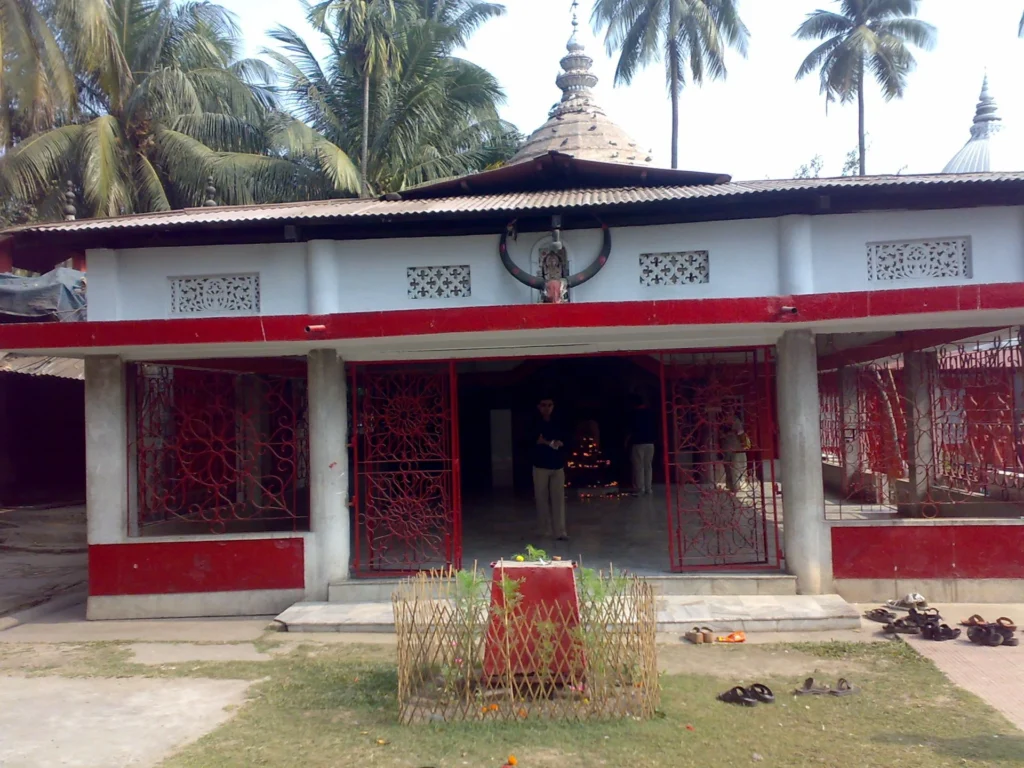
Ahom ruler Siva Singh built this Shakti temple in 1725 in Guwahati’s Lotaxil area. Furthermore, devotees worship Goddess Tara here through an unusual sanctum.
Most notably, the temple houses no traditional idol. Instead, a water-filled pit forms the object of worship, distinguishing it from most other Guwahati temples entirely.
- Entry: Free
- Timings: 7 AM to 4 PM
13. Guwahati War Memorial
The Guwahati War Memorial near Dighalipukhuri Park honors soldiers who died fighting for the nation. Furthermore, the site opened for public visits in December 2016.
Most notably, the memorial ranks among the best places to visit in Guwahati after dark, with evening lighting adding significant atmosphere to the experience.
Day Trips From Guwahati
The finest day trips extend the places to visit in guwahati into genuine wildlife and nature territory. Furthermore, both destinations below sit within a comfortable half-day to full-day round trip.
14. Pobitora Wildlife Sanctuary
Pobitora Wildlife Sanctuary sits approximately 45 km east of Guwahati. Furthermore, the sanctuary harbours the highest density of Great Indian one-horned rhinos anywhere in the world.
Most notably, jeep and elephant safaris run through the grassland in the early morning when rhino activity peaks. As a result, Pobitora suits travelers who want a genuine rhino encounter without traveling the full distance to Kaziranga National Park.
- Distance: 45 km from Guwahati
- Best time: Early morning safaris
15. Chandubi Lake
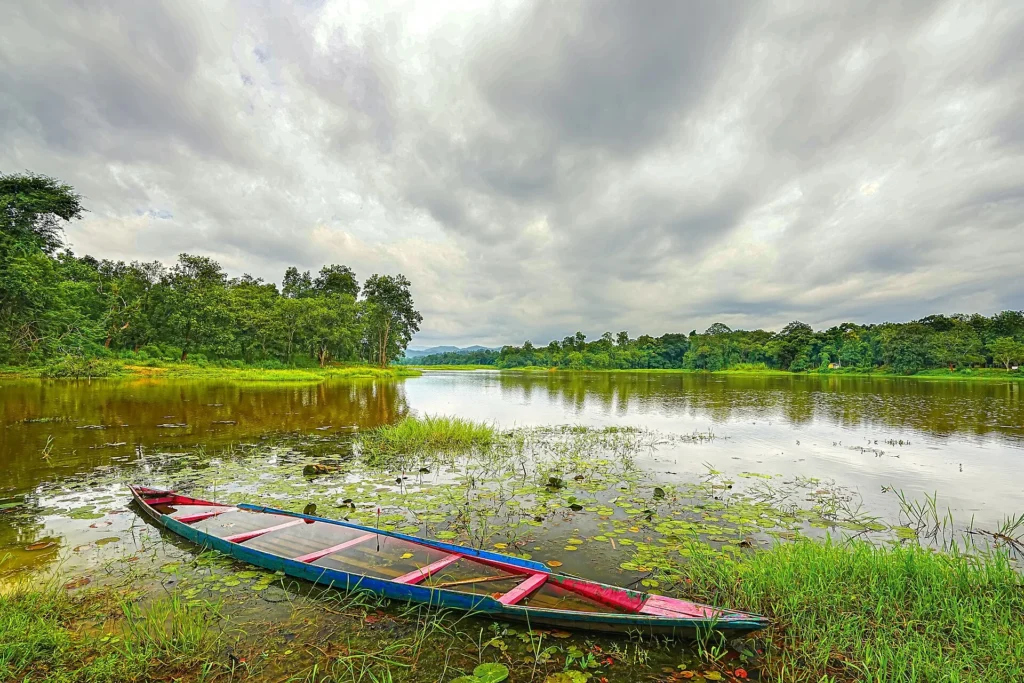
Chandubi Lake sits roughly 60 to 70 km from Guwahati, formed after a historic earthquake event. Furthermore, dense forest and small villages surround the lake on all sides.
Most notably, boating and simple overnight stays give the lake an atmosphere far removed from city rhythm. As a result, Chandubi ranks as the finest quiet nature escape among all day trips from Guwahati.
Places to Visit in Guwahati for Couples
First, start with a sunset Brahmaputra river cruise. Furthermore, the widening river at dusk creates one of the most romantic settings accessible in any Northeast Indian city.
Next, visit Umananda Island together by ferry. Most notably, the short river crossing itself becomes part of the shared experience rather than merely transport.
Then, walk the Basistha Temple stream area. As a result, the combination of spiritual calm and natural greenery suits couples seeking a quieter alternative to the main temple circuit.
Most notably, Navagraha Hill at sunset provides expansive views over the city that few visiting couples discover on their own.
Planning a Northeast India honeymoon? Read our guide on honeymoon destinations across Northeast India for more romantic getaway ideas.
Best Time to Visit Guwahati
| Season | Months | Experience | Honest Assessment |
| Winter | Oct to Mar | Best overall | Cool, dry, ideal for temple and wildlife visits |
| Summer | Apr to Jun | Hot, humid | Ambubachi Mela crowds peak in June |
| Monsoon | Jul to Sep | Heavy rain | Brahmaputra floods, some attractions difficult to access |
Honest Advice on Visiting During Ambubachi Mela
The Ambubachi Mela in June draws lakhs of pilgrims to Kamakhya Temple specifically. Furthermore, the temple closes for several days during the ritual before reopening for major celebrations.
Most notably, travelers who are not attending for religious purposes should plan their Kamakhya visit outside this window entirely. As a result, October to March remains the most reliable season for a comfortable, uncrowded Guwahati sightseeing circuit.
Quick Reference: Entry Fees and Timings
| # | Attraction | Entry Fee | Timings |
| 1 | Kamakhya Temple | Free, special darshan fees vary | Early morning to evening |
| 2 | Umananda Temple | Ferry approx INR 20 to 30 | Daylight hours |
| 3 | Assam State Zoo | Approx INR 30 | 8 AM to 4:30 PM, closed Fridays |
| 4 | Dipor Beel Sanctuary | Nominal | Daylight, best in winter |
| 5 | Guwahati Planetarium | Approx INR 30 to 50 | Shows every 2 hours |
| 6 | Assam State Museum | Nominal | Standard museum hours |
| 7 | Pobitora Wildlife Sanctuary | Safari fees apply | Early morning safaris |
2-Day Guwahati Itinerary
Day 1 – Temples and River
- Morning: Kamakhya Temple darshan on Nilachal Hill
- Midday: Navagraha Temple and Guwahati Planetarium
- Afternoon: Assam State Museum
- Evening: Umananda Island ferry and Brahmaputra sunset cruise
Day 2 – Nature and Day Trip
- Morning: Pobitora Wildlife Sanctuary rhino safari
- Afternoon: Return to city, Assam State Zoo and Botanical Garden
- Evening: Guwahati War Memorial and riverside dinner
Furthermore, this 2-day plan covers the essential places to visit in guwahati without requiring more than one day-trip vehicle booking.
Planning your Guwahati stay? Read how to reserve your Guwahati hotel with zero prepayment for maximum booking flexibility.
How to Reach and Get Around Guwahati
Lokapriya Gopinath Bordoloi International Airport connects Guwahati to Delhi, Kolkata, Mumbai, and Chennai. Furthermore, it remains the primary air gateway to all of Northeast India.
Most notably, Guwahati and Kamakhya railway stations both serve major long-distance trains from across the country. As a result, reaching the city rarely requires more than a direct flight or an overnight train.
Cabs, autos, and ride-hailing apps like Uber and Ola cover the city. As a result, getting around Guwahati rarely requires haggling with unmetered transport.
Choosing where to stay? Read our best hotels and resorts guide for your Northeast trip.
Conclusion
The places to visit in Guwahati reward travelers who give the city more than a single overnight stop. Furthermore, a hilltop Shakti Peetha, a river island temple, a rhino sanctuary, and Assam’s finest museums all sit within a compact, walkable-to-driveable radius.
Most notably, pairing the temple circuit with a Brahmaputra sunset cruise creates the single strongest memory most visitors take from Guwahati.
Visit Kamakhya at dawn. Save Pobitora for an early morning.
Above all, let the river have the final evening.