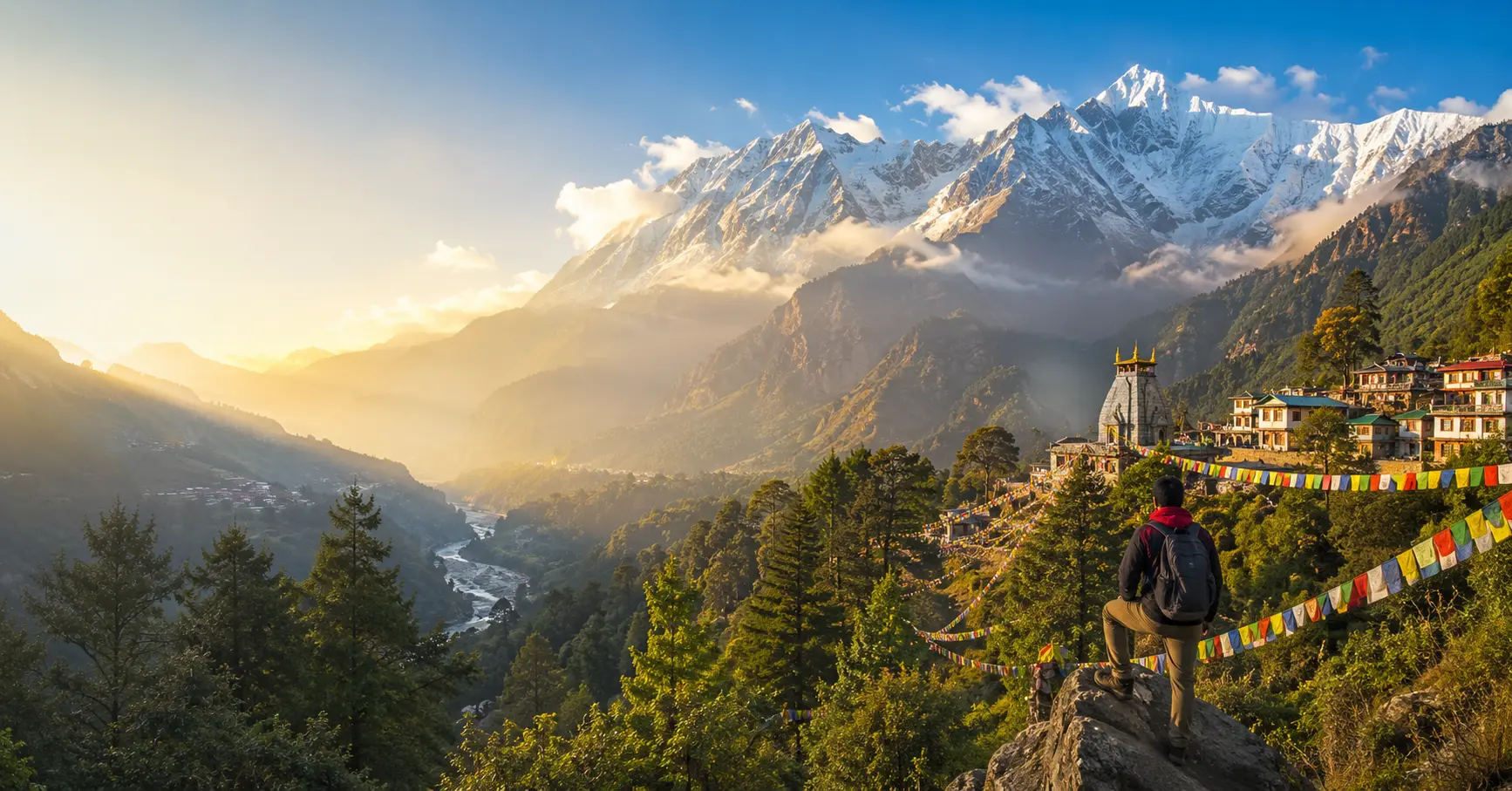
The best places to visit in Uttarakhand span misty Himalayan hill stations, sacred riverside towns, and wildlife reserves thick with pine and tiger grass. Rishikesh, Nainital, Mussoorie, and Jim Corbett top most travelers’ lists, but the state holds far more than postcard views. One morning you’re chanting at a Ganga Aarti, and by evening you’re watching the sun drop behind snow peaks from a quiet hill town nobody’s heard of yet.
Locals call it Devbhoomi, the Land of the Gods, and the name fits. Uttarakhand splits into two regions – Garhwal in the west, known for Char Dham pilgrimage sites and river valleys, and Kumaon in the east, known for lakes and wildlife. Both regions reward slow travel over rushed checklists.
What you’ll discover in this guide:
- The top hill stations and spiritual towns worth your time
- Wildlife and adventure hotspots across Garhwal and Kumaon
- The best time to visit each region
- Practical budget and permit advice most guides skip
- Real travel tips for getting around safely and affordably
Where Is Uttarakhand and How Do You Get There?
Uttarakhand sits in northern India, tucked against the Himalayas and bordering Nepal and Tibet. Dehradun’s Jolly Grant Airport is the main gateway for flights, while Kathgodam and Haridwar serve as the busiest railheads. Most travelers fly or train into Dehradun or Haridwar, then continue by road. Shared taxis, state buses, and private cars all run reliably between major towns, though mountain roads slow things down more than the distance suggests.
When Is the Best Time to Visit Uttarakhand?
Summer (March to June) suits hill stations best, with cool air and clear mountain views. Monsoon (July to September) brings heavy rain and landslide risk on hill roads, so plan carefully if you travel then. Winter (December to February) blankets Auli and Mukteshwar in snow, perfect for skiing. The Char Dham Yatra opens between May and November, closing once winter seals the high-altitude shrines.
Top Places to Visit in Uttarakhand
Rishikesh – Yoga Capital and Adventure Hub
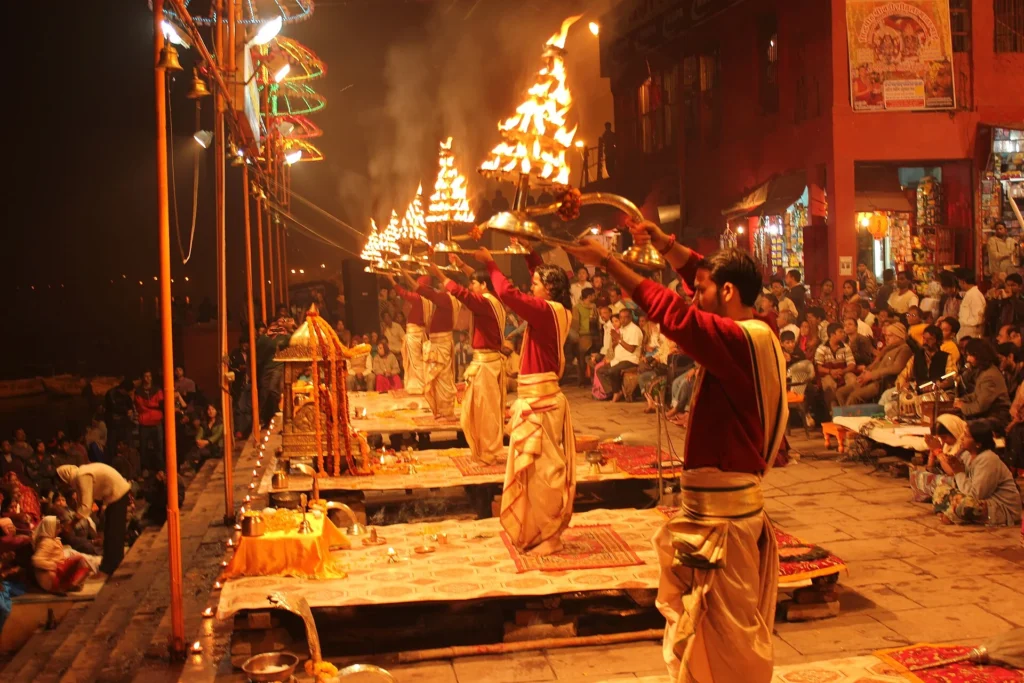
Rishikesh sits on the banks of the Ganga and draws yoga seekers, backpackers, and adrenaline chasers in equal measure. Ashrams line the riverfront, and white-water rafting trips launch just upstream. Cross Laxman Jhula or Ram Jhula at sunset, then settle in for the Ganga Aarti at Triveni Ghat. The ceremony alone is worth the trip.
Best Time to Visit: February to May, and September to November. Travel Tip: Arrive at Triveni Ghat 20 minutes before sunset to claim a good spot before the crowds build.
Haridwar – Gateway to the Ganga
Haridwar marks the point where the Ganga leaves the mountains and enters the plains, and pilgrims have gathered here for centuries. Har Ki Pauri ghat hosts a nightly Aarti that rivals Rishikesh’s in scale and devotion. The town also hosts Kumbh Mela once every twelve years, drawing millions. If you’re planning a longer pilgrimage circuit, Seek a Tour’s Char Dham tour package from Haridwar covers the full route by taxi.
Best Time to Visit: October to March for comfortable weather; April to June for pilgrimage season. Travel Tip: Visit Har Ki Pauri at dawn or dusk – midday heat and crowds both peak together.
Dehradun – Capital Gateway to the Hills
Dehradun serves as Uttarakhand’s capital and the practical starting point for most hill trips. Robber’s Cave offers a cool, easy walk through a narrow gorge, while the Forest Research Institute’s colonial-era building surprises most first-time visitors with its scale. Travelers heading toward Char Dham often base here first; Seek a Tour also runs a Char Dham yatra by helicopter from Dehradun for those short on time.
Best Time to Visit: March to June and September to November. Travel Tip: Use Dehradun as a one-night stopover to acclimatize before heading up to Mussoorie’s altitude.
Mussoorie – Queen of the Hills
Mussoorie earned its nickname under British rule, and the colonial charm still lingers along Mall Road. Lal Tibba offers the best mountain views in town, especially at sunrise before haze sets in. Kempty Falls draws families, while quieter trails around Landour suit travelers who want fewer crowds. This hill station also anchors several broader circuits, including Seek a Tour’s list of romantic hill stations near Delhi.
Best Time to Visit: March to June for pleasant weather; December to January for light snow. Travel Tip: Walk up to Lal Tibba early morning – afternoon cloud cover often hides the peaks completely.
Nainital – Lake Town of Kumaon
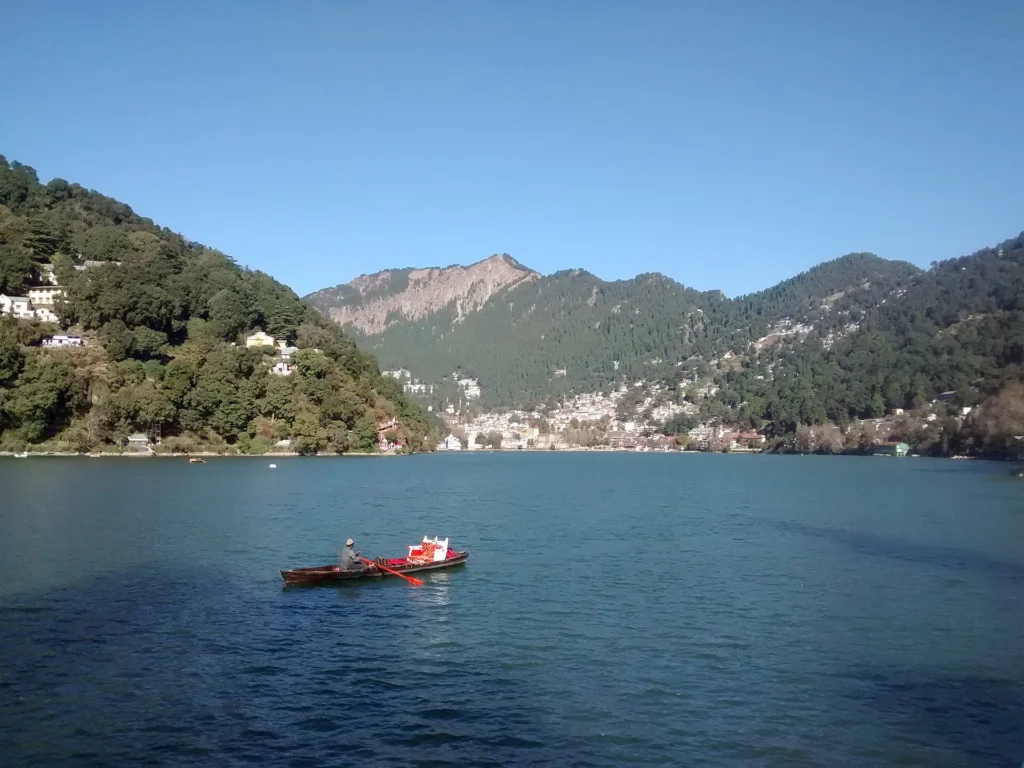
Nainital wraps around the emerald Naini Lake, and a slow walk along Mall Road remains the simplest way to enjoy it. Boating on the lake is the classic activity, but Snow View Point and Tiffin Top reward anyone willing to hike a little further. The town gets busy in peak season, so early mornings offer the calmest views.
Best Time to Visit: March to June for summer escapes; October to November for clear skies. Travel Tip: Walk the lake path before 8 a.m. to enjoy still water and almost no other tourists.
[Image suggestion: Naini Lake at sunrise with boats – alt text: “Naini Lake in Nainital surrounded by hills at sunrise”]
Auli – India’s Premier Ski Slope
Auli sits high in the Chamoli district and offers India’s most reliable skiing, with slopes originally built for paramilitary training. A cable car ride up gives sweeping views of Nanda Devi without needing to ski at all. Beyond winter sports, Auli also makes a solid base for short treks once the snow melts.
Best Time to Visit: November to February for skiing; March to June for clear mountain views. Travel Tip: Book the cable car ticket early in the day – afternoon queues stretch long in peak winter.
Jim Corbett National Park – India’s Oldest Wildlife Reserve
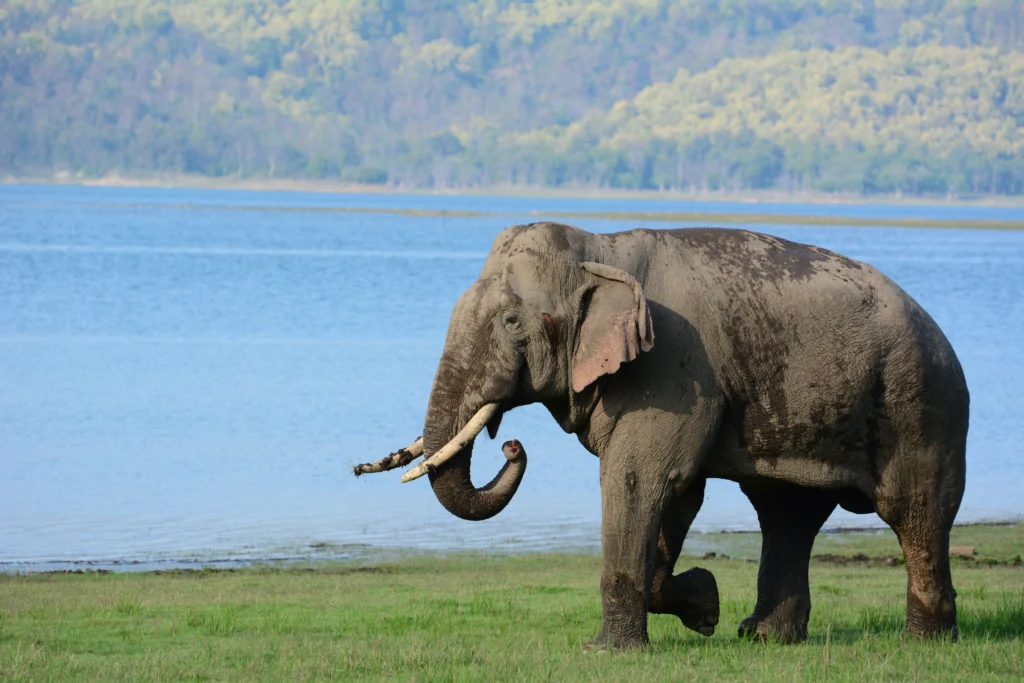
Jim Corbett protects dense forest, grassland, and a healthy population of Bengal tigers, making it one of India’s best wildlife destinations. Jeep safaris run through multiple zones, each offering different terrain and sighting odds. Bird watchers find just as much here as tiger spotters do, with hundreds of species recorded across the park. Read Seek a Tour’s full Jim Corbett National Park guide before booking your safari slots.
Best Time to Visit: November to June for safaris, with April to June best for tiger sightings. Travel Tip: Book safari permits weeks in advance during weekends and peak winter months.
[Image suggestion: Jeep safari in Jim Corbett National Park – alt text: “Safari jeep on a forest trail inside Jim Corbett National Park”]
Kausani – Himalayan Sunrise Point
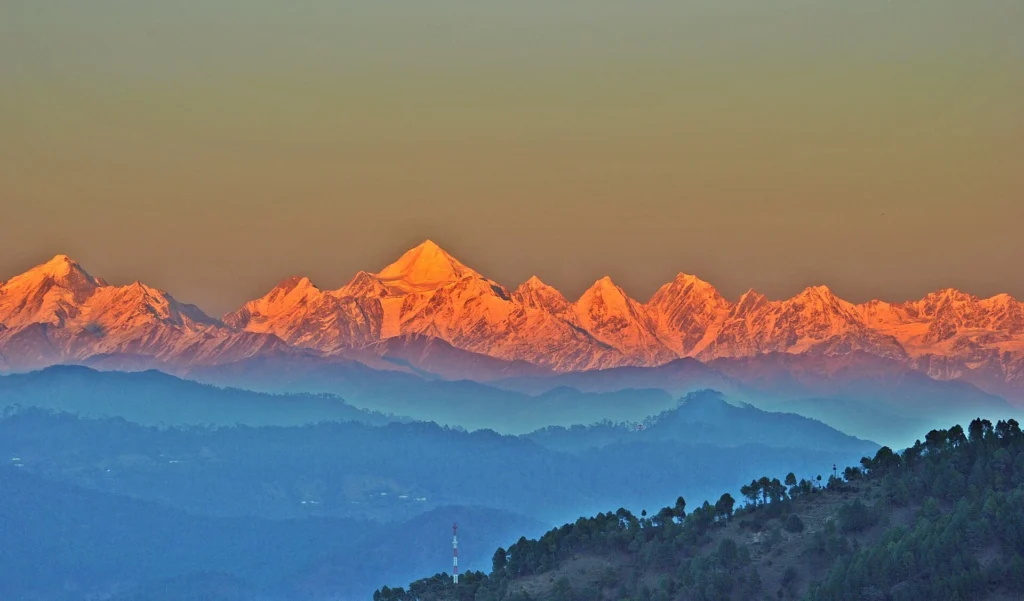
Kausani offers some of the clearest Himalayan panoramas in Kumaon, with Nanda Devi and Trishul visible on a good day. The Anasakti Ashram, once home to poet Sumitra Nandan Pant, adds a quiet literary stop to the visit. Baijnath Temple, a short walk away, rounds out a peaceful half-day here.
Best Time to Visit: March to June, and September to November. Travel Tip: Stay overnight rather than day-tripping – sunrise views from your room beat any daytime visit.
Char Dham – Kedarnath, Badrinath, Gangotri, and Yamunotri
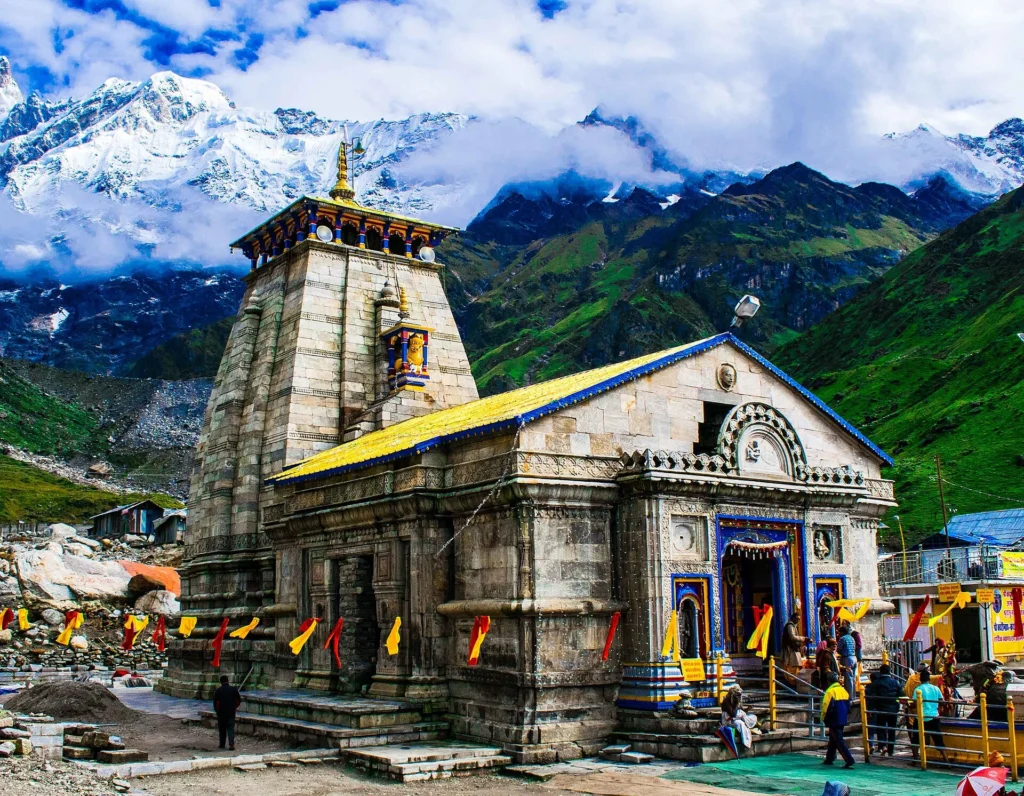
The Char Dham circuit links four of Hinduism’s most sacred shrines across the high Garhwal Himalayas. Kedarnath, reachable only by an 18-kilometer trek or helicopter, sits at 11,755 feet and stays open from May to November. Badrinath honors Lord Vishnu and remains accessible by road. Gangotri marks the symbolic source of the Ganga, while Yamunotri does the same for the Yamuna. Most pilgrims complete the circuit over 10 to 14 days. Seek a Tour’s Char Dham Yatra guide breaks down the full itinerary and permits.
Best Time to Visit: May to June and September to November, between the winter closure dates. Travel Tip: Book accommodation in Rudraprayag or Sonprayag well ahead – rooms vanish fast in peak Yatra season.
[Image suggestion: Kedarnath Temple against snow peaks – alt text: “Kedarnath Temple surrounded by snow-capped Himalayan peaks”]
Valley of Flowers – UNESCO Wildflower Meadow
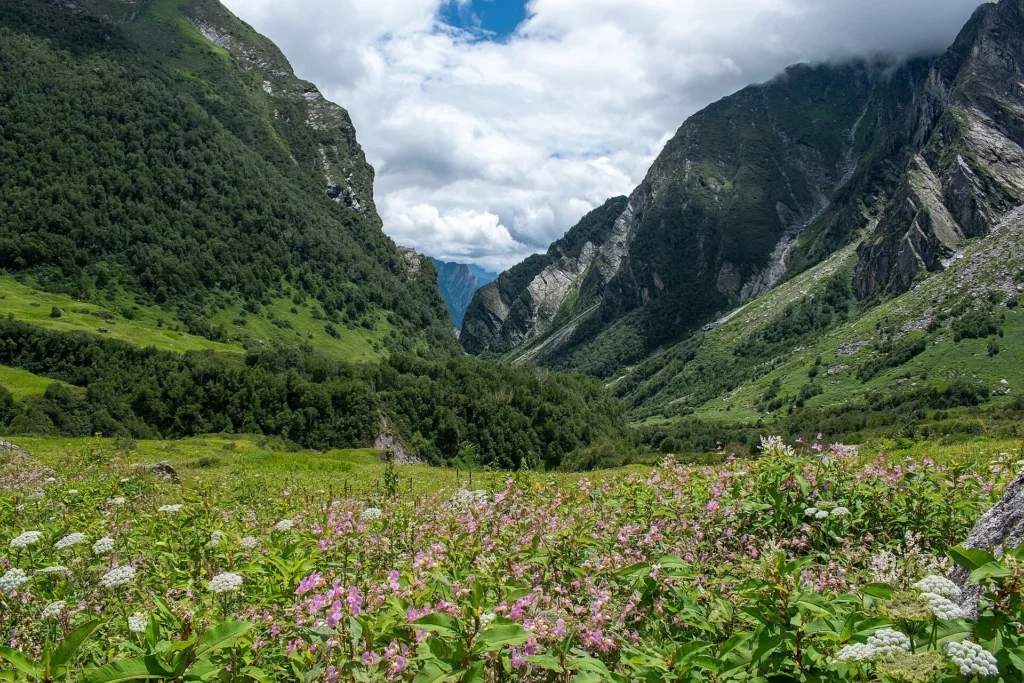
Valley of Flowers National Park blooms into a carpet of alpine wildflowers each monsoon, earning its UNESCO World Heritage status. The trek in from Govindghat takes a full day, and the park only opens between June and October. Nanda Devi National Park sits nearby, adding a second biosphere reserve to the same trip.
Best Time to Visit: July to August for peak bloom. Travel Tip: Carry rain gear regardless of forecast – monsoon weather here shifts within minutes.
Beyond these ten, Uttarakhand hides quieter corners worth a separate trip of their own – Kanatal, Khirsu, Chopta, and Mukteshwar among them. We’ve covered those in a dedicated offbeat guide once it’s live, so keep an eye out if solitude over crowds is more your speed.
Budget and Practical Travel Tips for Uttarakhand
A comfortable mid-range trip runs roughly ₹2,500 to ₹4,500 per day, covering stay, food, and local transport; backpackers can manage closer to ₹1,500. Wildlife safaris at Jim Corbett or Rajaji require ID proof and advance permits, often booked through the forest department or a local operator. Roads above 7,000 feet can close without warning after heavy rain or snow, so build buffer days into any high-altitude itinerary. Travel Tip: Hire a local driver familiar with mountain routes rather than self-driving on unfamiliar hill roads, especially after dark.
For broader trip context, Uttarakhand’s official tourism portal lists current road advisories and seasonal closures, and the Wikipedia overview of tourism in Uttarakhand offers useful background on visitor numbers and protected areas.
Plan Your Uttarakhand Trip
From the ghats of Haridwar to the snow slopes of Auli, Uttarakhand rewards travelers who give it more than a weekend. Pick one region, build in buffer days for mountain weather, and let the rest of the itinerary stay flexible. Start planning your journey with Seek a Tour’s curated Char Dham and hill-station packages, and let local guides handle the permits and routes while you focus on the views.