UNESCO World Heritage Sites in India now number 45, spread across 37 cultural, 7 natural and 1 mixed property. Sarnath, inscribed in 2026, is the newest addition to the list.
This guide lists every site by region, explains how the sites are grouped, and suggests trips that combine several of them. It also flags where older pages give different counts.
What You Will Learn
- How many sites India has and how they split
- The full list by state and region
- Which sites are the newest
- How to combine sites into practical trips
- The best seasons and tips for visiting
How Many UNESCO World Heritage Sites Are in India?
India has 45 UNESCO World Heritage Sites: 37 cultural, 7 natural and 1 mixed. UNESCO’s India page lists Sarnath (2026) as the latest inscription.
Many pages still say 40, 43 or 44 sites. Those figures were correct earlier, but they miss recent inscriptions, so check the date on any list.
Sarnath joined the 48th session of the World Heritage Committee in Busan, South Korea, in July 2026. Reports describe it as India’s 45th site.
UNESCO Sites in India by Type
UNESCO sorts every property into one of three categories. Most Indian sites are cultural, which covers monuments, cities, temples, forts and archaeological landscapes.
| Type | Number | Examples |
| Cultural | 37 | Taj Mahal, Hampi, Ajanta, Sarnath |
| Natural | 7 | Kaziranga, Sundarbans, Western Ghats |
| Mixed | 1 | Khangchendzonga National Park |
Khangchendzonga in Sikkim is the only mixed site, because it combines natural value with strong cultural and spiritual significance for local communities.
Some older pages double-count sites or file them in the wrong category. As a result, their totals differ. This guide follows UNESCO’s own figures.
How Does a Site Become a UNESCO World Heritage Site?
A country first places a site on its Tentative List. It then submits a detailed nomination, and UNESCO’s advisory bodies review it before the World Heritage Committee decides.
Sites must show outstanding universal value. UNESCO measures that against ten criteria: six for cultural sites and four for natural sites, and a mixed site meets both sets.
Inscription also brings obligations. The country must protect the site and report on its condition, and UNESCO can list a property as in danger if it faces serious threats.
India has seen this happen. Manas Wildlife Sanctuary was listed as in danger from 1992 to 2011, and Hampi was listed from 1999 to 2006.
Complete List of UNESCO World Heritage Sites in India by Region
The easiest way to plan a trip is by region. Each table below gives the site, its state and its year of inscription.
North India
North India holds the Mughal capitals, Delhi’s monuments and two Himalayan national parks. It also includes the only Indian Modernist city site, Chandigarh.
| Site | State or UT | Year |
| Taj Mahal | Uttar Pradesh | 1983 |
| Agra Fort | Uttar Pradesh | 1983 |
| Fatehpur Sikri | Uttar Pradesh | 1986 |
| Ancient Buddhist Site of Sarnath | Uttar Pradesh | 2026 |
| Humayun’s Tomb | Delhi | 1993 |
| Qutb Minar Complex | Delhi | 1993 |
| Red Fort Complex | Delhi | 2007 |
| Nanda Devi and Valley of Flowers National Parks | Uttarakhand | 1988 |
| Great Himalayan National Park Conservation Area | Himachal Pradesh | 2014 |
| Architectural Work of Le Corbusier | Chandigarh | 2016 |
The Taj Mahal and Agra Fort are among India’s first four inscriptions in 1983. Fatehpur Sikri, a short-lived capital under Akbar, lies nearby, so most travelers visit all three.
Delhi’s three sites show different eras. Humayun’s Tomb is an early Mughal garden tomb, Qutb Minar represents the Delhi Sultanate, and the Red Fort was built under Shah Jahan.
Sarnath, near Varanasi, preserves stupas, monastery ruins and an Ashokan pillar. Reports list hours of roughly 6 AM to 6 PM and tickets from about ₹20, so verify.
Rajasthan
Rajasthan contributes four sites, covering forts, an observatory, a planned city and a wetland. Because they sit fairly close, the state works well as a heritage circuit.
| Site | Year |
| Keoladeo National Park | 1985 |
| Jantar Mantar, Jaipur | 2010 |
| Hill Forts of Rajasthan | 2013 |
| Jaipur City | 2019 |
The Hill Forts of Rajasthan group six Rajput forts into one listing. Our guide to places to visit in Jaisalmer covers one of the fort cities.
Jaipur is both a city site and home to Jantar Mantar, an 18th-century astronomical observatory. For nearby day trips, see our guide to places to visit near Jaipur.
Keoladeo, at Bharatpur, is a man-made wetland known for migratory birds. It is the only natural site in the state.
Western India
Western India has some of the richest clusters. Maharashtra alone holds several rock-cut cave complexes, colonial buildings and hill forts.
| Site | State | Year |
| Ajanta Caves | Maharashtra | 1983 |
| Ellora Caves | Maharashtra | 1983 |
| Elephanta Caves | Maharashtra | 1987 |
| Chhatrapati Shivaji Terminus | Maharashtra | 2004 |
| Victorian Gothic and Art Deco Ensembles of Mumbai | Maharashtra | 2018 |
| Maratha Military Landscapes of India | Maharashtra, Tamil Nadu | 2025 |
| Churches and Convents of Goa | Goa | 1986 |
| Champaner-Pavagadh Archaeological Park | Gujarat | 2004 |
| Rani-ki-Vav, Patan | Gujarat | 2014 |
| Historic City of Ahmadabad | Gujarat | 2017 |
| Dholavira: a Harappan City | Gujarat | 2021 |
Ajanta and Ellora lie in the Chhatrapati Sambhajinagar region and show Buddhist, Hindu and Jain rock-cut art. Elephanta sits on an island near Mumbai, reachable by ferry.
Mumbai’s two urban listings protect the Victorian Gothic railway terminus and the Art Deco and Gothic buildings along the seafront. Together they make a rewarding walking tour.
The Maratha Military Landscapes cover a set of hill forts linked to the Maratha kingdom. One component lies in Tamil Nadu, so the site spans two states.
Gujarat holds four sites with very different stories. Champaner-Pavagadh spans several periods, Rani-ki-Vav is an 11th-century stepwell, Ahmedabad is a Sultanate-era city and Dholavira is Harappan.
For nearby trips, read our guides to places to visit near Ahmedabad, places to visit in Bhuj and must-visit places near Vadodara.
Goa’s churches and convents record the Portuguese period in India. They date from the 16th and 17th centuries and cluster around Old Goa.
Central India
Madhya Pradesh holds three sites that cover temples, Buddhist monuments and prehistoric art. They sit in different parts of the state, so plan transport carefully.
| Site | Year |
| Khajuraho Group of Monuments | 1986 |
| Buddhist Monuments at Sanchi | 1989 |
| Rock Shelters of Bhimbetka | 2003 |
Khajuraho is known for finely carved Hindu and Jain temples. Sanchi preserves stupas and monasteries, and Bhimbetka holds some of India’s oldest known rock paintings.
South India
South India combines imperial ruins, Dravidian temples and one of the world’s major mountain ranges. Karnataka and Tamil Nadu hold most of the cultural sites.
| Site | State | Year |
| Group of Monuments at Hampi | Karnataka | 1986 |
| Group of Monuments at Pattadakal | Karnataka | 1987 |
| Sacred Ensembles of the Hoysalas | Karnataka | 2023 |
| Group of Monuments at Mahabalipuram | Tamil Nadu | 1984 |
| Great Living Chola Temples | Tamil Nadu | 1987 |
| Kakatiya Rudreshwara (Ramappa) Temple | Telangana | 2021 |
| Western Ghats | Maharashtra, Karnataka, Kerala, Tamil Nadu | 2012 |
Hampi preserves the ruins of the Vijayanagara capital, while Pattadakal shows early Chalukya temple design. Both lie in northern Karnataka, so many travelers combine them in a single trip.
Mahabalipuram has Pallava rock-cut temples and reliefs on the Tamil Nadu coast. Three major Chola temples form the Great Living Chola Temples listing, and worship continues in them.
Famous for dense forests and high biodiversity, the Western Ghats are a natural site. For a wider regional overview, see our guide to places to visit in South India.
East and Northeast India
Buddhist heritage, a major temple and key wildlife habitats define the east. Meanwhile, the northeast adds two more natural sites and a unique royal burial landscape.
| Site | State | Year |
| Konark Sun Temple | Odisha | 1984 |
| Kaziranga National Park | Assam | 1985 |
| Manas Wildlife Sanctuary | Assam | 1985 |
| Sundarbans National Park | West Bengal | 1987 |
| Mahabodhi Temple Complex, Bodh Gaya | Bihar | 2002 |
| Nalanda Mahavihara | Bihar | 2016 |
| Khangchendzonga National Park | Sikkim | 2016 |
| Santiniketan | West Bengal | 2023 |
| Moidams, Ahom Mound-Burial System | Assam | 2024 |
Konark’s 13th-century temple takes the form of a giant chariot. Bodh Gaya marks the place associated with the Buddha’s enlightenment, and Nalanda preserves the ruins of an ancient learning centre.
Kaziranga is known for its Indian rhinoceros population, and the Sundarbans protect the world’s largest mangrove forest. Manas also protects endangered species.
Sites Spanning Several States
One cultural site crosses state lines. The Mountain Railways of India (1999) cover three colonial-era hill railways in West Bengal, Tamil Nadu and Himachal Pradesh.
These lines climb to Darjeeling, the Nilgiris and Shimla. Riding one of them turns a transport route into a heritage experience.
Site Spotlights: Ten Heritage Stops Worth Planning Around
All 45 sites matter, but a few anchor most itineraries. These short profiles help you decide where to spend your limited time.
Taj Mahal, Uttar Pradesh
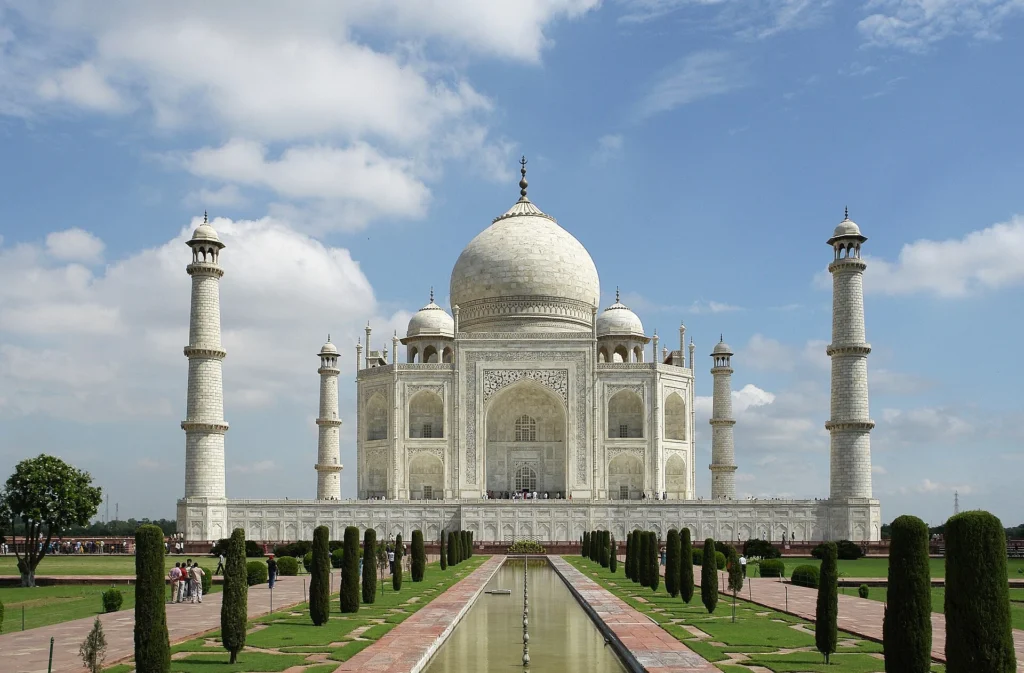
The Taj Mahal is a white marble Mughal mausoleum at Agra. It remains India’s best-known monument, so expect crowds and book your time carefully.
Hampi, Karnataka
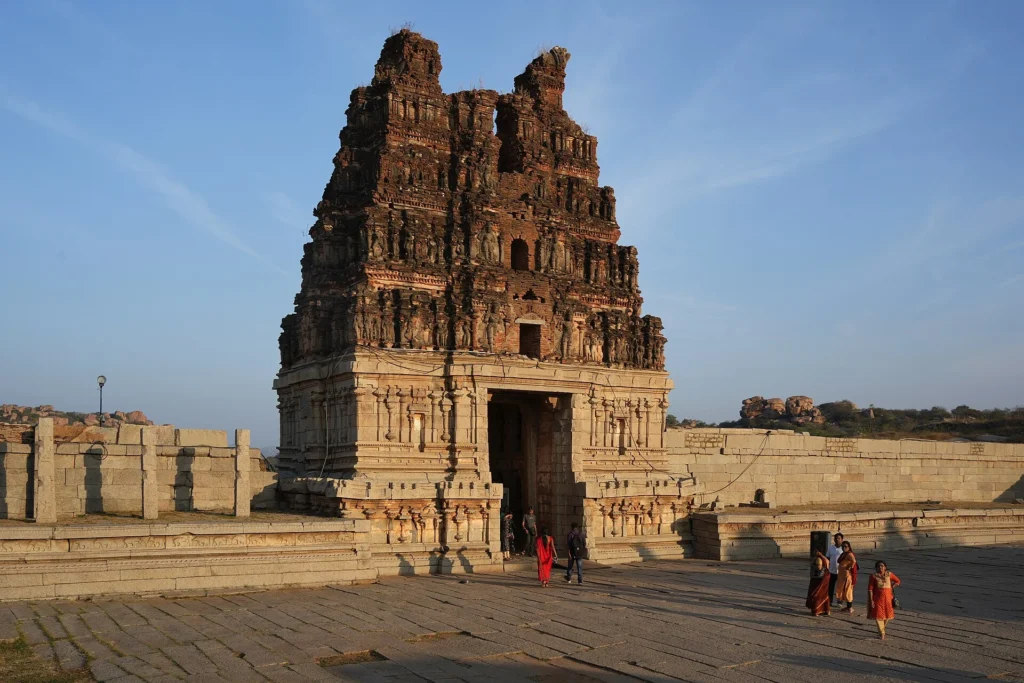
Hampi holds the ruins of the Vijayanagara capital across a boulder-strewn landscape. Allow at least two days, because the monuments spread over a wide area.
Ajanta and Ellora, Maharashtra
Ajanta shows Buddhist rock-cut art from two periods. Ellora has 34 rock-cut Buddhist, Hindu and Jain temples and monasteries, so it suits a full day.
Khajuraho, Madhya Pradesh
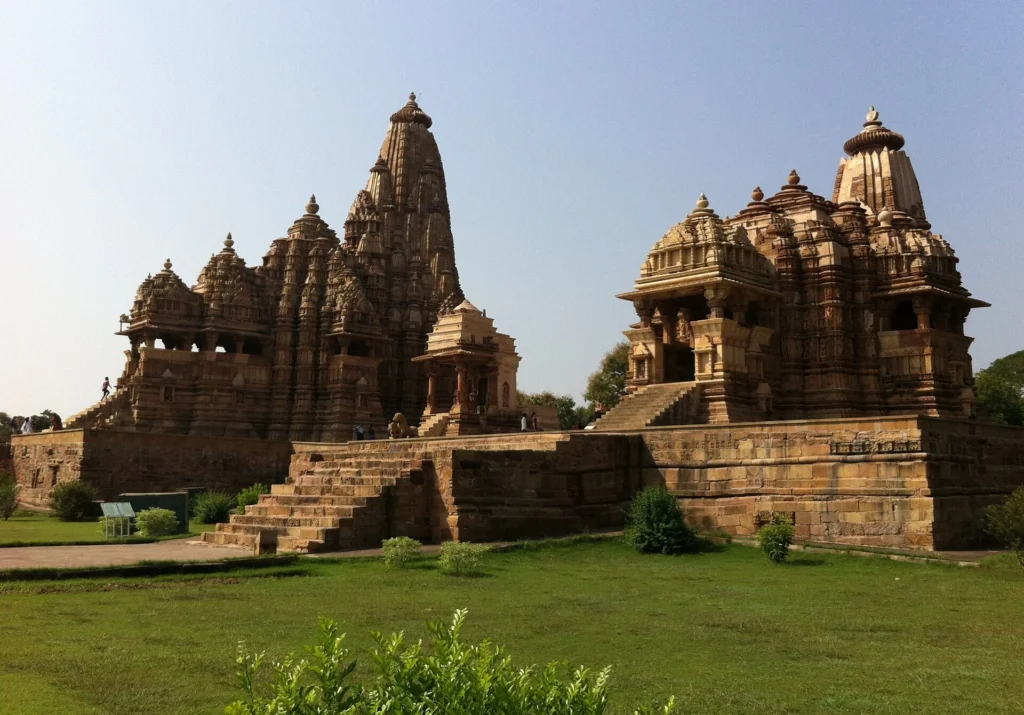
Khajuraho is famous for Hindu and Jain temples with detailed stone carvings. Visit in the morning for softer light and fewer visitors.
Konark, Odisha
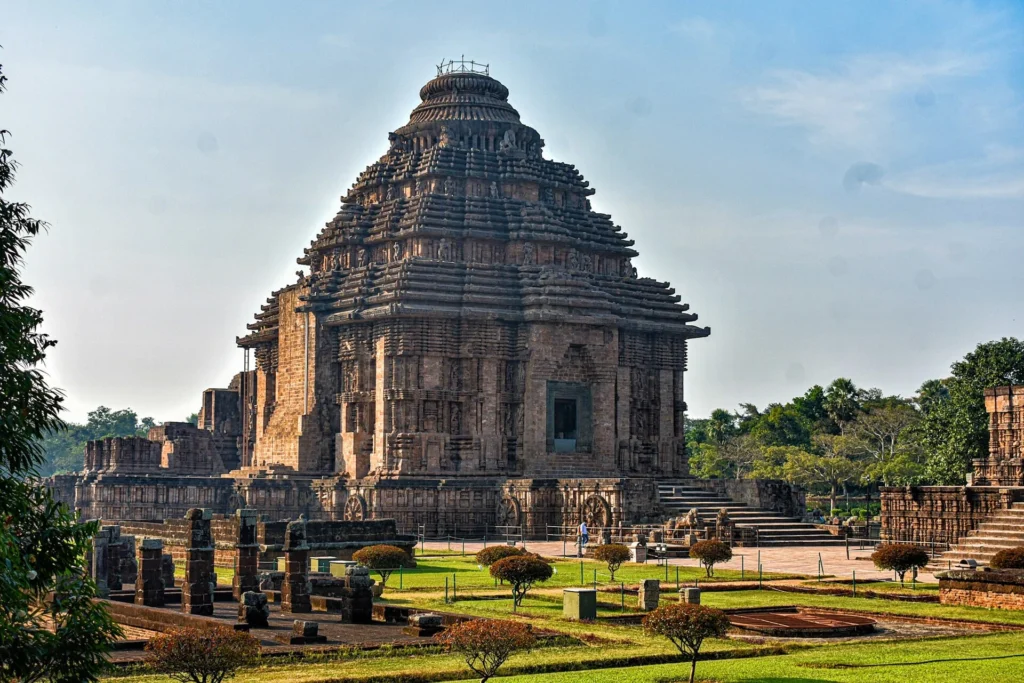
The 13th-century Konark Sun Temple takes the shape of a chariot dedicated to Surya. Its carved wheels are the most photographed feature.
Rani-ki-Vav, Gujarat
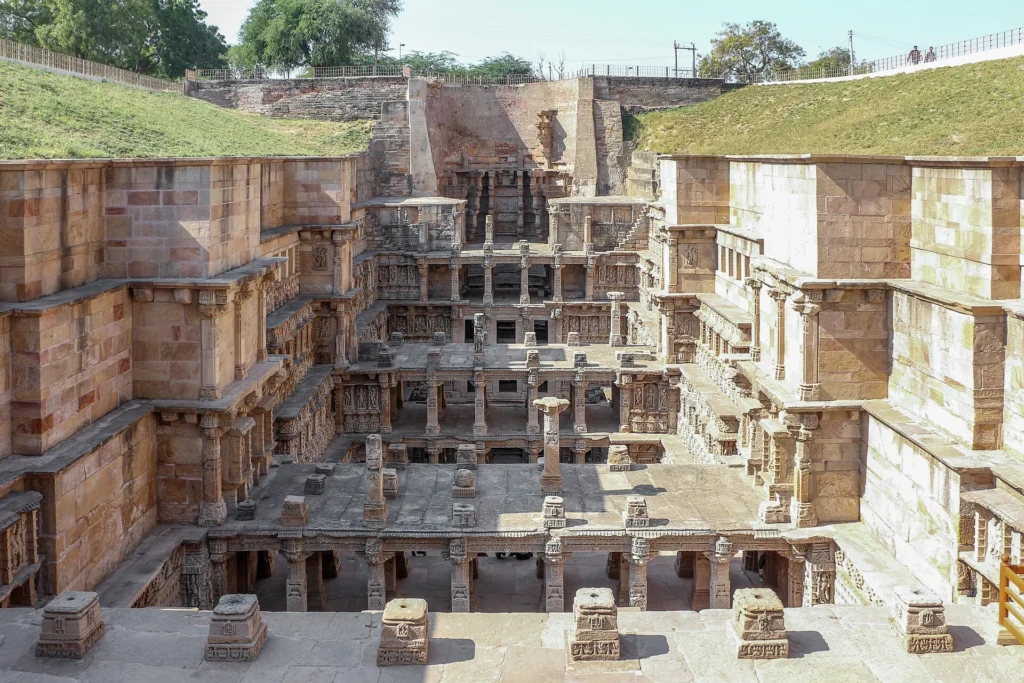
This 11th-century stepwell in Patan descends in carved levels. It shows how Indian builders turned water storage into architecture, which makes it a standout stop.
Dholavira, Gujarat
Dholavira is a Bronze Age Harappan city with advanced water systems. It lies in Kutch, so pair it with a wider Kutch trip.
Kaziranga, Assam
Kaziranga is a floodplain park with the largest Indian rhinoceros population. Safaris run only in the dry season, so check current park opening dates.
Sundarbans, West Bengal
The Sundarbans form the world’s largest mangrove forest and Bengal tiger habitat. Visits usually happen by boat, so check current permit rules before booking.
Mountain Railways of India
The toy trains of Darjeeling, the Nilgiris and Kalka-Shimla turn ordinary travel into sightseeing, with slow climbs and scenic stops. Book seats early in peak season.
Cultural Heritage Sites in India
Cultural sites dominate the list, and they fall into a few clear themes. Grouping them by theme helps if you have a specific interest.
- Forts and palaces: Agra Fort, Red Fort, Hill Forts of Rajasthan, Maratha Military Landscapes.
- Temples and sacred sites: Konark, Khajuraho, Hampi, Pattadakal, Hoysalas, Chola Temples, Ramappa, Mahabodhi.
- Caves and rock art: Ajanta, Ellora, Elephanta, Bhimbetka.
- Buddhist heritage: Sanchi, Nalanda, Mahabodhi, Sarnath.
- Cities and planned landscapes: Jaipur, Ahmadabad, Chandigarh, Santiniketan.
- Colonial and modern architecture: Goa churches, Mumbai’s two urban sites, Le Corbusier’s work.
- Ancient cities and archaeology: Dholavira, Champaner-Pavagadh.
Natural and Mixed UNESCO Sites in India
India’s seven natural sites protect Himalayan peaks, wetlands, mangroves and rainforest ranges. Most are open only in part of the year, so check access before booking.
| Site | State | Known for |
| Kaziranga National Park | Assam | Indian rhinoceros |
| Manas Wildlife Sanctuary | Assam | Endangered wildlife |
| Keoladeo National Park | Rajasthan | Migratory birds |
| Sundarbans National Park | West Bengal | Mangroves, Bengal tigers |
| Nanda Devi and Valley of Flowers | Uttarakhand | Alpine meadows |
| Great Himalayan National Park | Himachal Pradesh | Himalayan habitats |
| Western Ghats | Four states | Forests, biodiversity |
Khangchendzonga National Park in Sikkim is the mixed site. It protects glaciers and forests, and local communities consider the mountain sacred.
Newest UNESCO Sites in India
Recent years have brought a steady stream of new entries. Each one adds a different type of heritage to the list.
Recent inscriptions show a shift toward lesser-known heritage, including forts, burial mounds and early Buddhist sites. Each addition has widened the list beyond the famous monuments.
- 2026: Ancient Buddhist Site of Sarnath, Uttar Pradesh.
- 2025: Maratha Military Landscapes of India, Maharashtra and Tamil Nadu.
- 2024: Moidams, the Mound-Burial System of the Ahom Dynasty, Assam.
- 2023: Sacred Ensembles of the Hoysalas and Santiniketan.
- 2021: Dholavira and the Ramappa Temple.
Sarnath is where the Buddha is traditionally said to have delivered his first sermon. Its inscription ended a long wait on India’s Tentative List.
Why Do Counts of UNESCO Sites in India Differ?
Different pages report 40, 43, 44 or 45 sites. The gap comes mainly from timing, because India adds one or two sites most years.
Counting methods also matter. Some pages count the Mountain Railways as one site, while others split them, and shared sites like the Western Ghats appear under several states.
The Le Corbusier listing is transnational, shared with six other countries. UNESCO counts it once for India, but only the Chandigarh component lies here.
Which State Has the Most UNESCO Sites?
Maharashtra leads when you count shared sites, and Uttar Pradesh, Rajasthan and Gujarat follow closely. The result depends on how you treat sites that cross state lines.
Counted by single-state sites only, Maharashtra has five. Uttar Pradesh, Rajasthan and Gujarat each have four, so the top four states are close.
Because counting methods differ, you may see slightly different rankings online. Always check how a source treats shared sites such as the Western Ghats.
Best Heritage Trips: How to Combine Sites
Many sites lie close together, so a few simple routes cover several in one trip. These pairings keep travel time short.
- Golden Triangle: Taj Mahal, Agra Fort and Fatehpur Sikri, plus Delhi’s three monuments.
- Maharashtra caves: Ajanta and Ellora, then Elephanta from Mumbai.
- Karnataka heritage: Hampi, Pattadakal and the Hoysala temples.
- Tamil Nadu coast: Mahabalipuram and the Great Living Chola Temples.
- Gujarat circuit: Ahmadabad, Rani-ki-Vav, Champaner-Pavagadh and Dholavira.
- Buddhist circuit: Sarnath, Bodh Gaya and Nalanda.
For a road-trip approach in Gujarat, read our guide to road trips from Ahmedabad. Always check opening days, because some monuments close on one weekday.
Sample Heritage Itineraries
These sample plans use route logic and the groupings above. Adjust days to your pace, and confirm travel times before you book.
7-Day North India Plan
Spend two days in Delhi for Humayun’s Tomb, Qutb Minar and the Red Fort. Travel to Agra for the Taj Mahal, Agra Fort and Fatehpur Sikri.
Finish in Jaipur for Jantar Mantar, the city and nearby forts. This plan covers about ten sites and keeps transfers short.
8-Day Maharashtra and Gujarat Plan
Begin in Mumbai with the two urban sites and Elephanta Caves. Then reach Ajanta and Ellora, followed by Gujarat for Ahmadabad and Rani-ki-Vav.
Drive times vary by route and traffic, so check each leg on a map app before booking hotels or train tickets.
7-Day South India Plan
Start at Hampi and Pattadakal in Karnataka, then move to the Hoysala temples. End on the Tamil Nadu coast at Mahabalipuram and the Chola temples.
This route links four heritage clusters across two states. Allow extra time for long road transfers between Karnataka and Tamil Nadu, especially after dark.
Best Time to Visit UNESCO World Heritage Sites in India
October to March suits most regions, with milder weather for sightseeing. However, each region has its own seasons, so match the site to the calendar.
| Region | Best period | Notes |
| North India plains | October to March | Summers are very hot |
| Rajasthan and Gujarat | October to March | Desert heat peaks in summer |
| South India | November to February | Monsoon affects coastal and hill sites |
| Himalayan parks | Late spring to early autumn | Access closes in winter |
| Kaziranga and Manas | November to April | Parks close during monsoon |
These are general patterns, not official schedules. Confirm access rules with each site before booking, especially for wildlife parks and high-altitude trails.
Planning Your Budget and Tickets
Costs vary widely across sites. Some monuments charge a modest fee, while major attractions charge more, and foreign visitors often pay a higher rate than Indian citizens.
Photography, video and special access can add charges. Therefore, read the ticket details at each site, and keep small cash for guides, parking and local transport.
Regional passes and combined tickets sometimes exist, but they change often. Check with the Archaeological Survey of India or the site’s official page before you rely on one.
Accommodation near major monuments gets pricier in peak months. Therefore, book early for Agra, Jaipur and Hampi between October and March.
Accessibility and Family Travel
Many heritage sites involve steps, uneven stone and long walks. Wheelchair access varies, so ask the site office in advance, especially for older monuments and caves.
Families with young children should choose compact sites first, such as Humayun’s Tomb or Jantar Mantar. Save hill forts and large archaeological parks for later in the trip.
Heat is the main challenge in summer. Plan visits for early morning, carry water and rest in shade at midday.
Tips for Visiting UNESCO World Heritage Sites in India
A few simple habits make heritage trips smoother. They also help protect fragile monuments, so follow site rules and keep to marked paths.
- Buy tickets online where available, and carry photo ID.
- Hire a licensed guide for complex sites such as Hampi or Ellora.
- Start early to avoid heat and crowds.
- Dress modestly at temples and religious sites.
- Carry water, sun protection and comfortable shoes.
- Check camera, drone and tripod rules before you shoot.
Entry fees and timings change often, and foreign visitors may pay different rates. For that reason, always verify them on official sources before you travel.
India’s Tentative List
UNESCO keeps a Tentative List of sites that countries plan to nominate. India’s list is long, and counts vary, with UNESCO showing 78 sites and some reports quoting fewer.
Sarnath spent many years on that list before its 2026 inscription. Future nominations will likely come from the same pool, so the total of 45 will rise.
When that happens, older pages will go out of date. For that reason, check the inscription year of any list you rely on.
Conclusion
The UNESCO World Heritage Sites in India now span caves, forts, temples, cities, mountains and mangroves. Pick a region, combine nearby sites and travel in the right season.
Use this list as a planning base, and recheck counts whenever UNESCO adds new inscriptions to the World Heritage List.